



Barraba, New South Wales
Building a stronger future together
Population: 1,035 people
Key industry: Agriculture, particularly beef cattle farming, is a key industry in the Barraba area. Beef cattle farming was the largest individual industry of employment in the 2021 Census, accounting for 10% of employed people in the Barraba locality. Other important local employment sectors include aged care, health, education and local government.
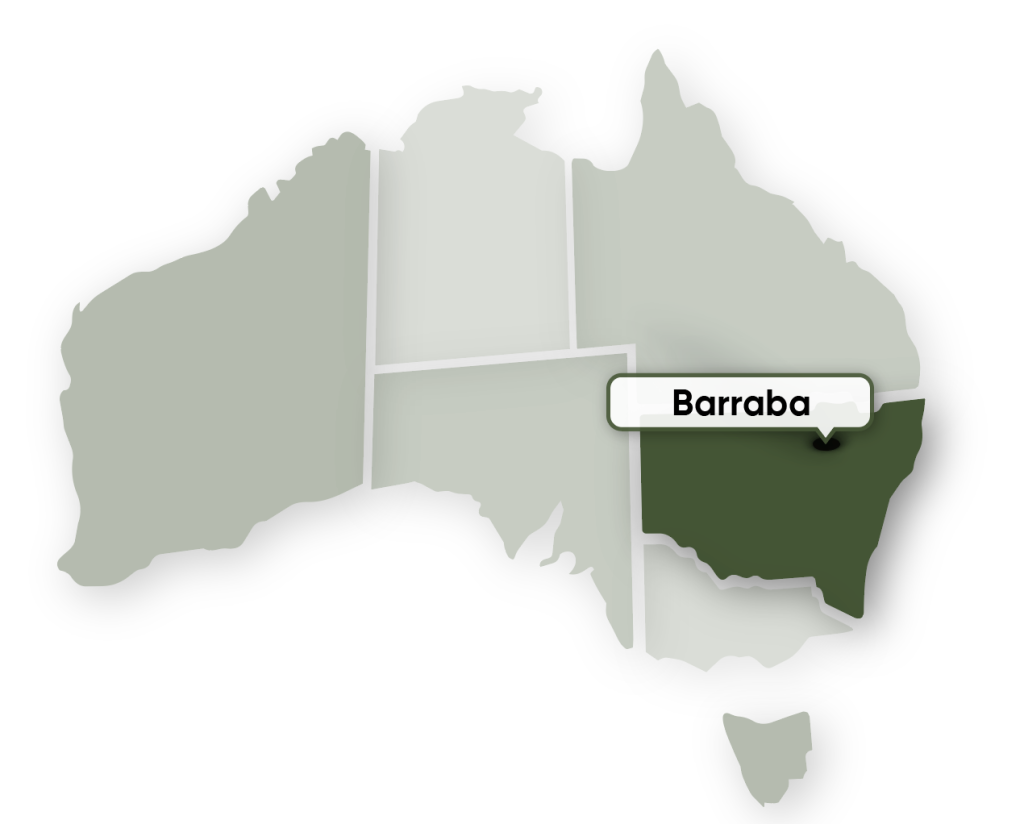
Distance to the nearest capital city: Approximately 490 km by road to Sydney
Quick fact: Barraba is home to the 40-metre-high “The Water Diviner” silo mural, painted by internationally recognised Australian artist Fintan Magee. The mural is part of the Australian Silo Art Trail and has helped put the small town on the tourist map. Barraba is also located along Fossickers Way, one of NSW's historic touring routes.
Summary
For a small rural community that had faced years of floods, fires, severe drought and the COVID-19 pandemic, rebuilding connection and confidence was just as important as improving the town’s facilities.
Through Rural Aid’s Community Development project, the Barraba community came together to identify its strengths, challenges and priorities for the future. With seed funding and support from Rural Aid, local community groups, organisations, businesses and passionate residents turned those ideas into practical projects that are helping Barraba thrive.
Assets
- Strong community spirit and local pride
- Active volunteer and community groups
- Thriving arts and cultural community
- Iconic Water Diviner silo art
- Significant natural attractions and landscapes
- Quality sporting and recreation facilities
- Diverse local businesses and services
- Rich heritage and historic character
Challenges
- Ageing and declining population
- Ongoing impacts of drought
- Volunteer fatigue
- Tired town-centre appearance
- Limited visitor stay and spend
- Local business and employment pressures
- Limited opportunities for young people
- Competition from larger regional centres
Goals
- Grow community participation and connection
- Increase visitation and tourism spending
- Support local business growth
- Improve community facilities and spaces
- Strengthen Barraba’s liveability and appeal
- Celebrate local heritage and identity
- Retain and attract young families
- Build long-term community resilience
More about this project
How did they do it?
It started with listening to the community.
Community engagement workshops brought together residents, community groups, organisations and local businesses to identify Barraba’s challenges, assets, social networks and opportunities.
Those conversations became the foundation for the Barraba Community Development Plan, which provided a clear framework for prioritising projects and turning community ideas into action.
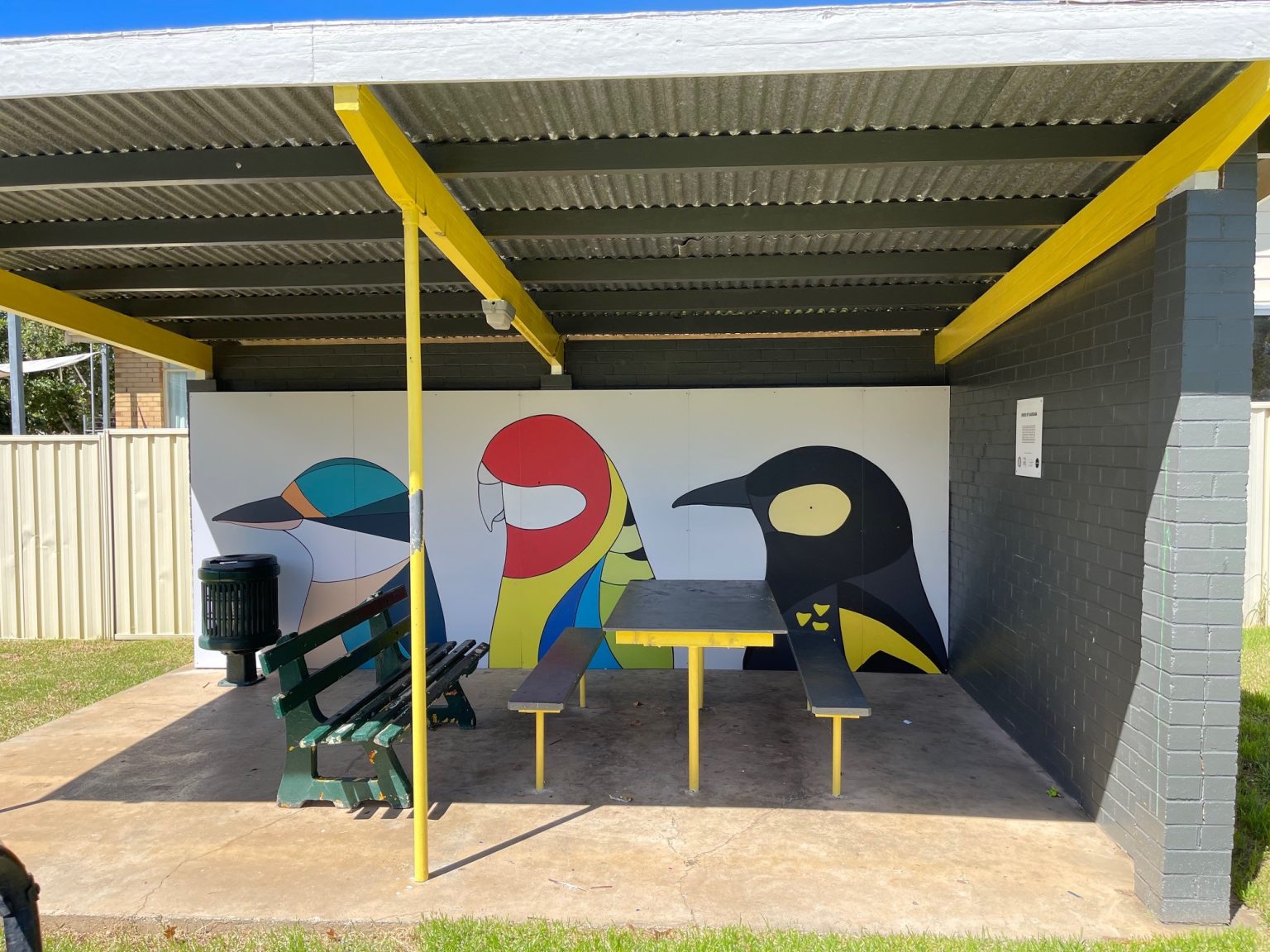
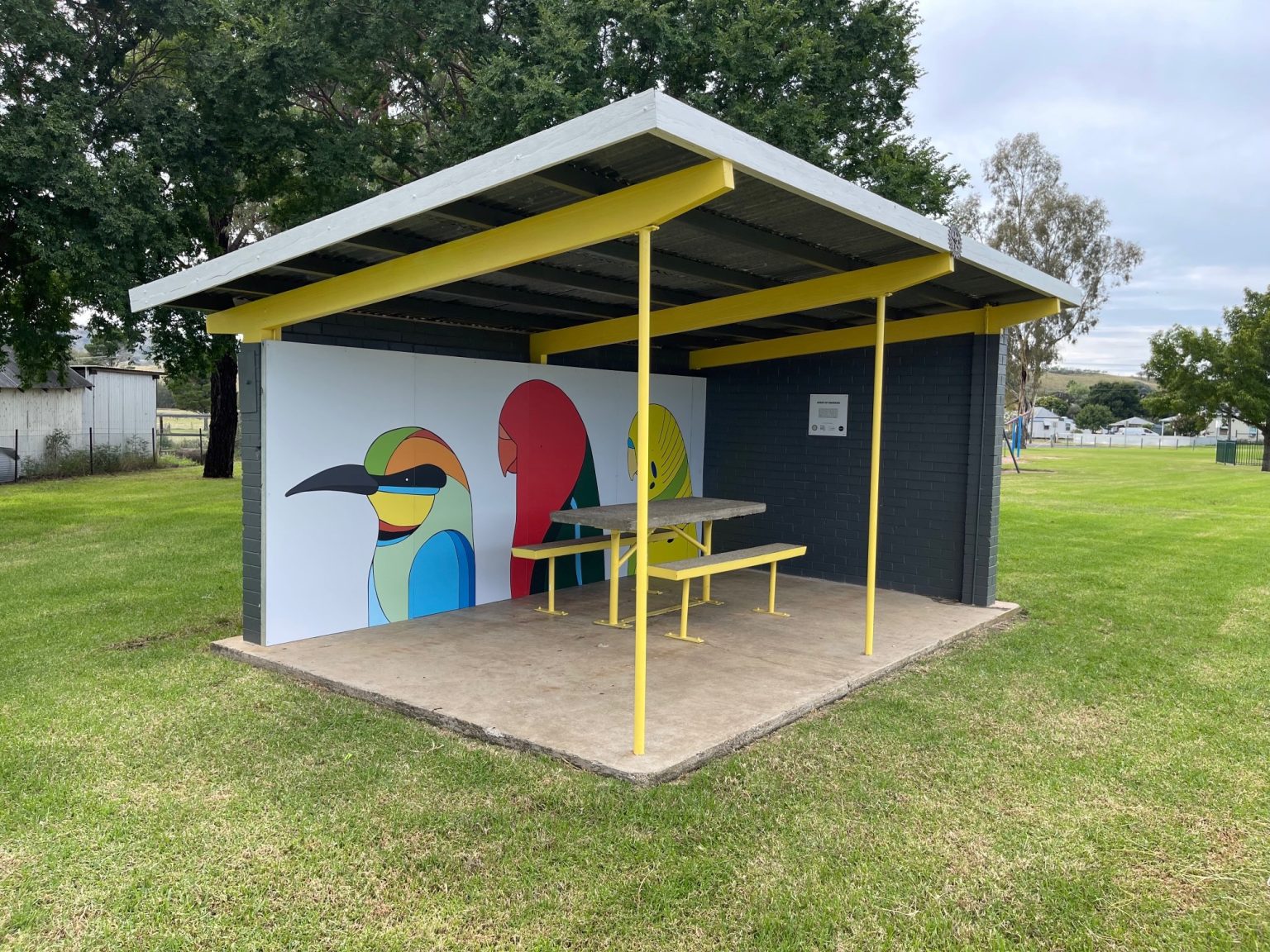
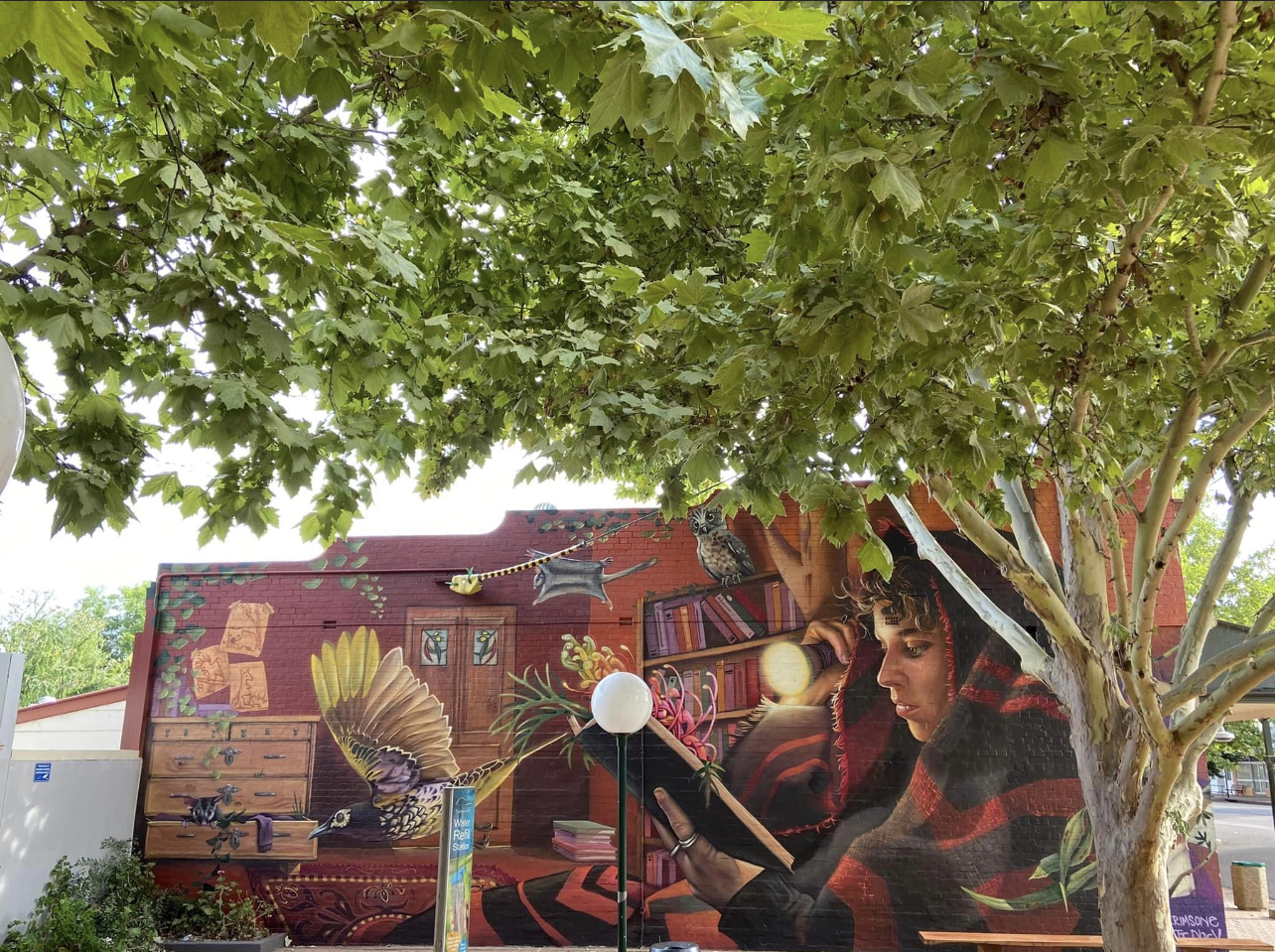
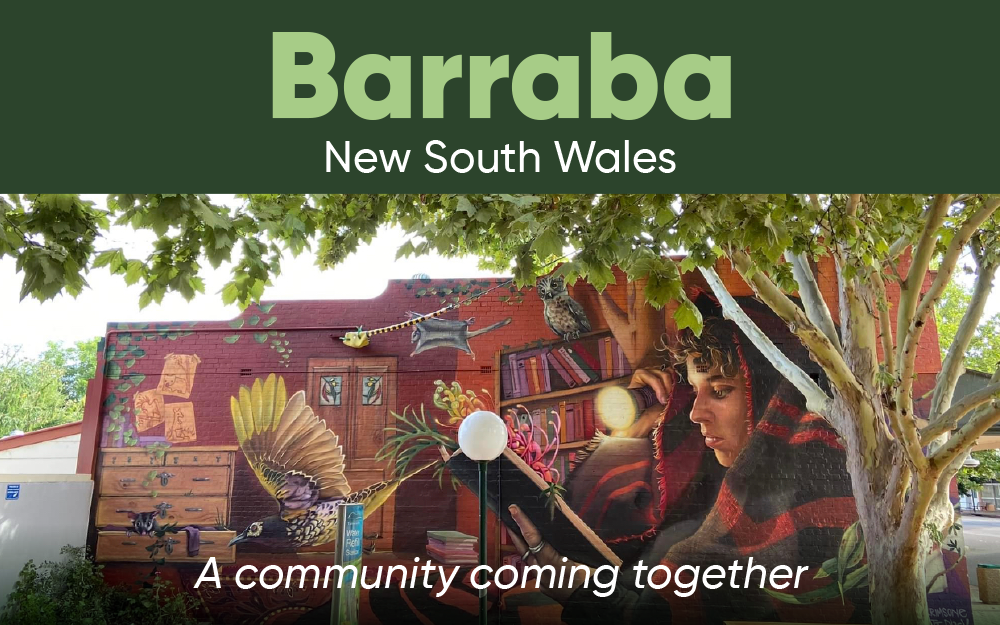
With Rural Aid’s support, projects included improvements to the Barraba Showground and Tennis Club, main street beautification, new murals extending the town’s existing silo art trail, equipment for the Barraba Junior Rugby Club, improvements to the swimming pool, and marketing and merchandise for the Barraba community website.
It was a collaborative effort, with the community, local organisations, businesses, Council, Rural Aid staff and volunteers all playing a role.
Why did they do it?
Because improving a town is about more than buildings and facilities.
For Barraba, these projects created opportunities for people to come together, take pride in their community and create a more positive future after a particularly difficult period.
The community wanted to strengthen what was already there – and create reasons for people to visit, participate, stay and invest in Barraba’s future.
What changed as a result?
The impact is already being seen across the community.
A stronger tourism marketing campaign, supported by the town’s growing mural art trail, has contributed to an increase in tourism visitors. New tourism signage at two key sites helps direct visitors through Barraba, while local merchandise provides an ongoing promotional and revenue opportunity for the community.
At the Barraba Tennis Club, usage has increased, with more competitions being held throughout the year and school holiday clinics giving local children opportunities to get involved. The increased activity has also encouraged further improvements to the site.
At the Showground, maintenance work has reduced the workload for community volunteers while improving the appearance of a facility that hosts events and attracts competitors and visitors from across the region.
But perhaps the most important change can’t be measured in numbers.
The Barraba community describes the project as creating “fantastic community cohesion and town pride” and says Rural Aid staff and volunteers helped lift the community during a very difficult time.
Looking ahead
Barraba’s vision doesn’t end with the completion of individual projects.
The community hopes the improvements will contribute to a stronger and more resilient local economy, ongoing investment in community infrastructure, greater social connection and stronger preparedness for future challenges.
Ultimately, the goal is to create a vibrant and active community that gives people more reasons to stay, return and call Barraba home.
Their advice for other communities
Barraba’s experience has given the community some clear advice for others looking to create change:
Bring as many people into the process as possible. Community members, organisations and local groups all brought different perspectives to the workshops.
Keep communicating. Regular communication and consultation throughout a project helps everyone stay informed and involved.
Keep a close eye on the budget. Clear and regular budget reporting can help communities understand what has been committed, what remains available and where adjustments may be needed.