



Carnamah, Western Australia
Growing skills for the next generation
Population: 407 people
Key industry: Agriculture – particularly grain growing and mixed farming. In the 2021 Census, grain growing was the largest individual industry of employment in Carnamah, accounting for 14.5% of employed people. Grain-sheep or grain-beef farming was another significant industry at 4.8%. The broader Shire describes grain and sheep farming as its principal industry, with Carnamah being one of the region's major grain receival points. There is also a really strong historical connection to agriculture. Carnamah became one of WA's important wheat-producing districts, with large-scale wheat growing established in the early 20th century.
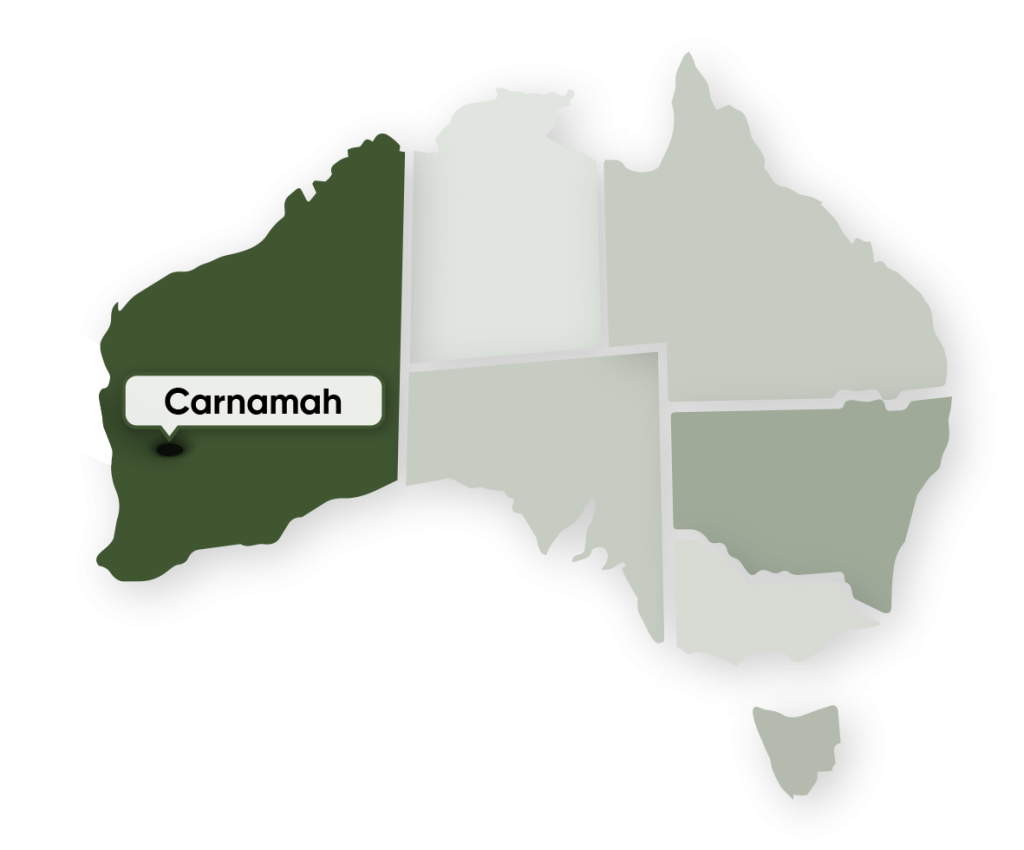
Distance to the nearest capital city: Approximately 300 km north of Perth
Quick fact: Carnamah's first telephone/telegraph connection was established in 1874, decades before the townsite was officially gazetted in 1913. The telegraph office operated from the Macpherson family's homestead, with Maggie Macpherson running it for 39 years.
Summary
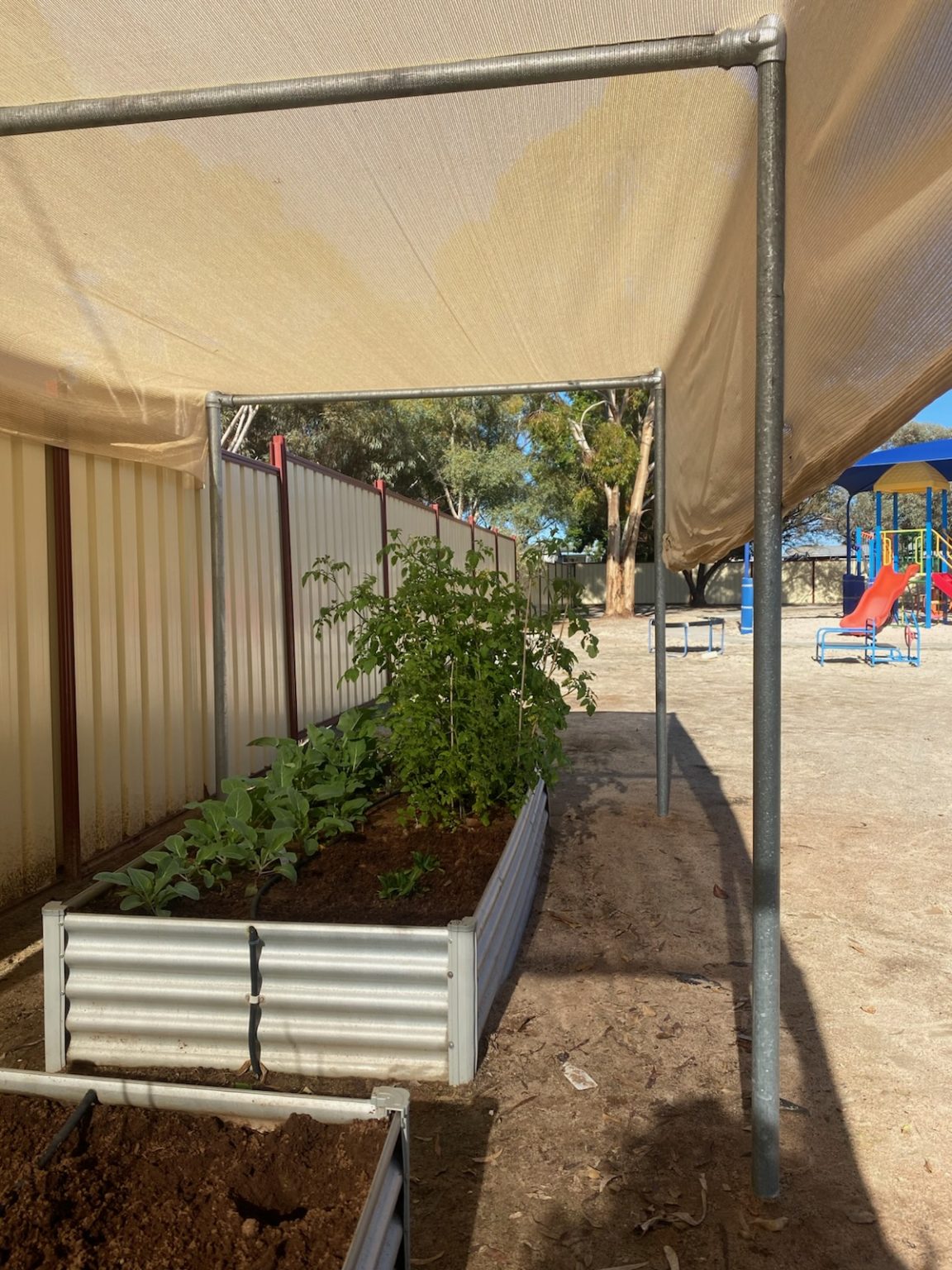
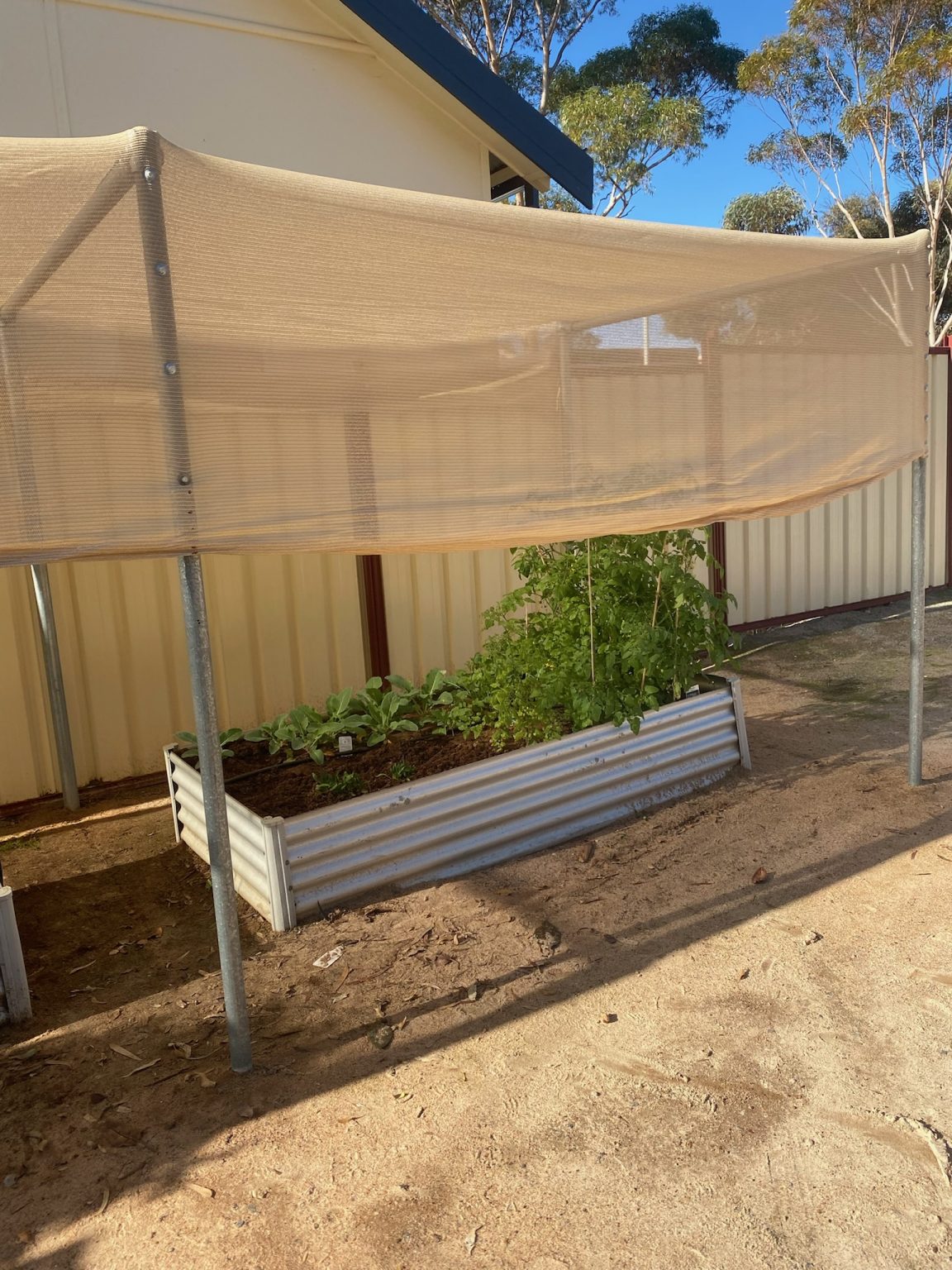
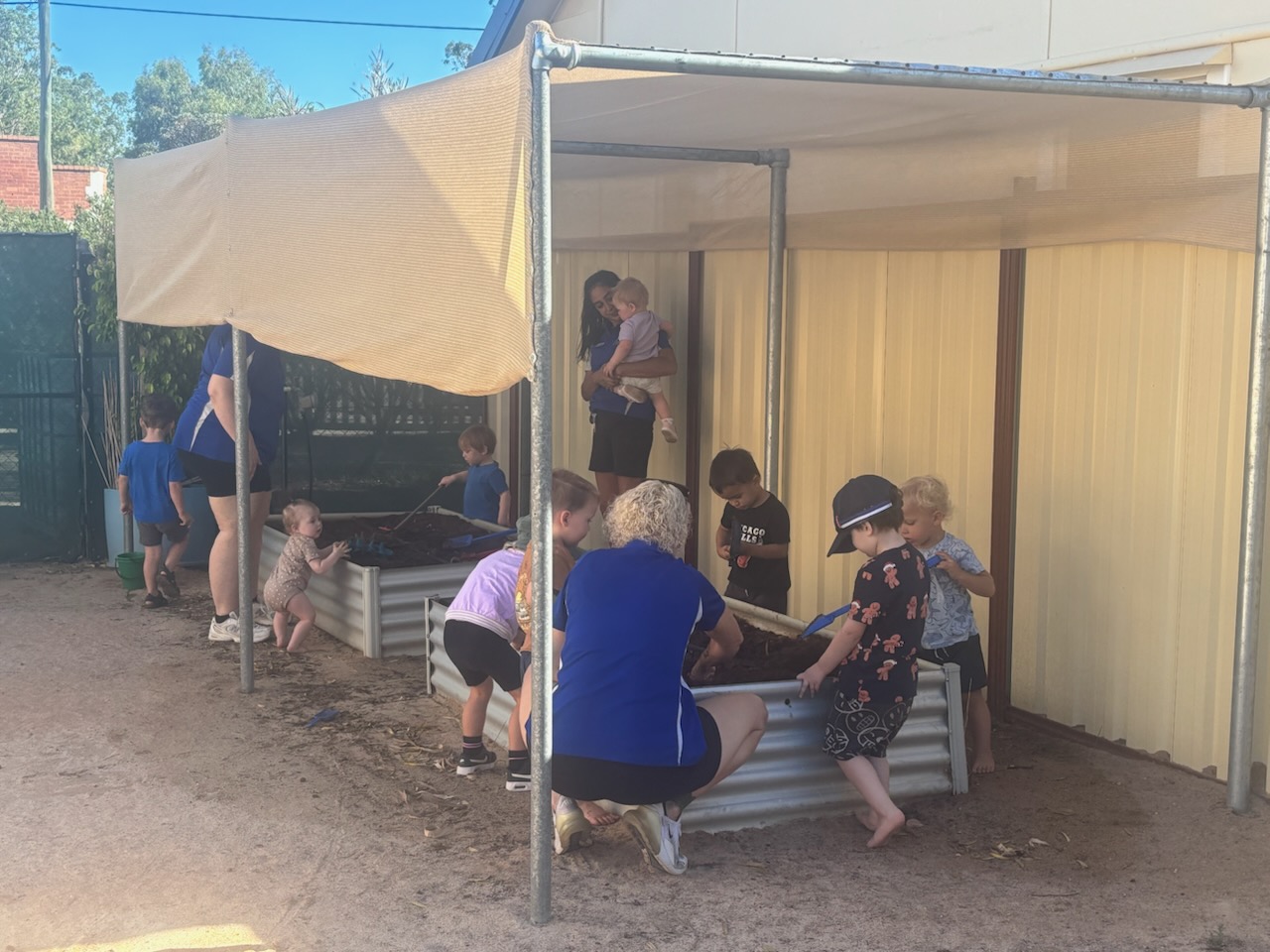
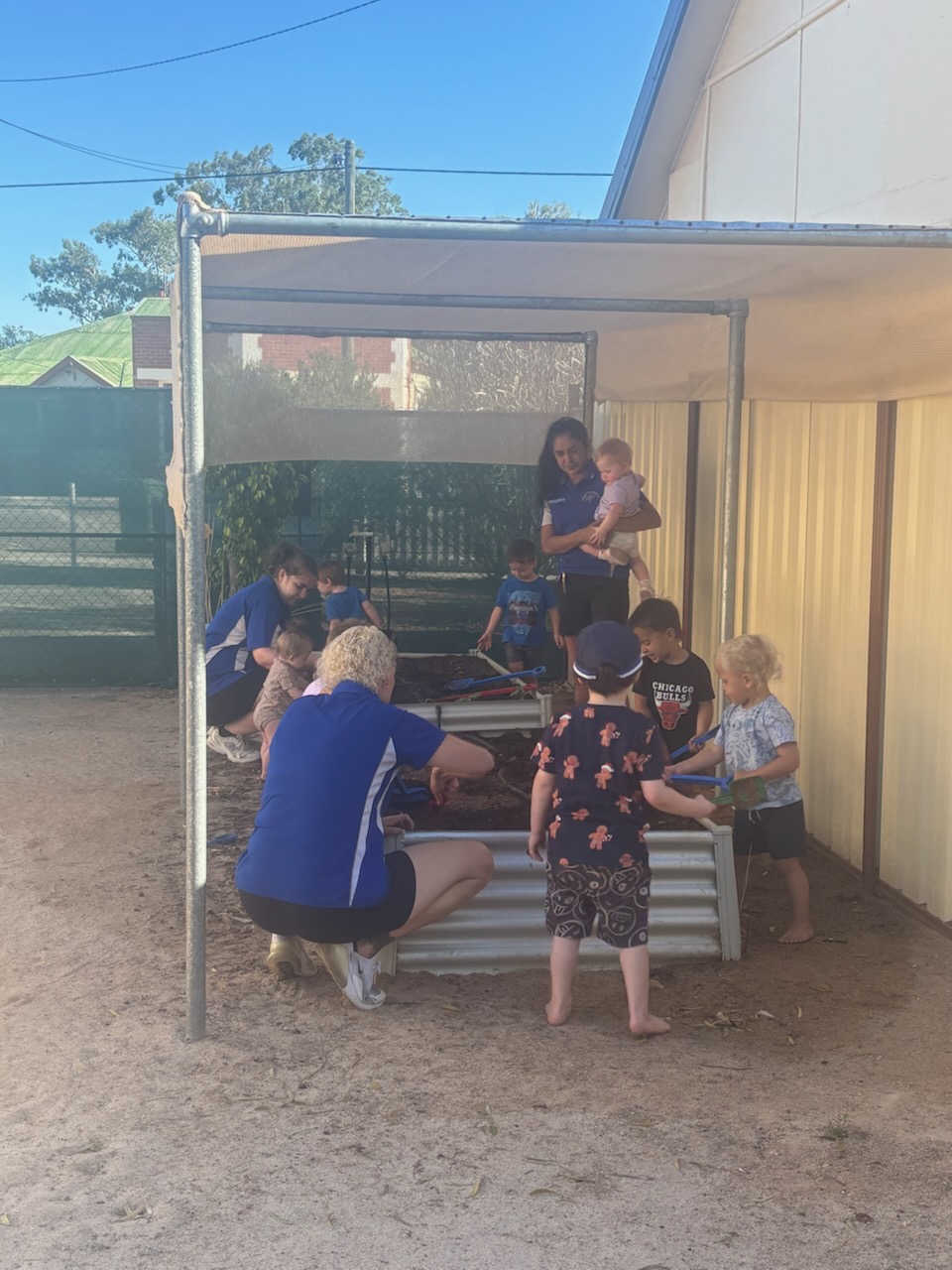
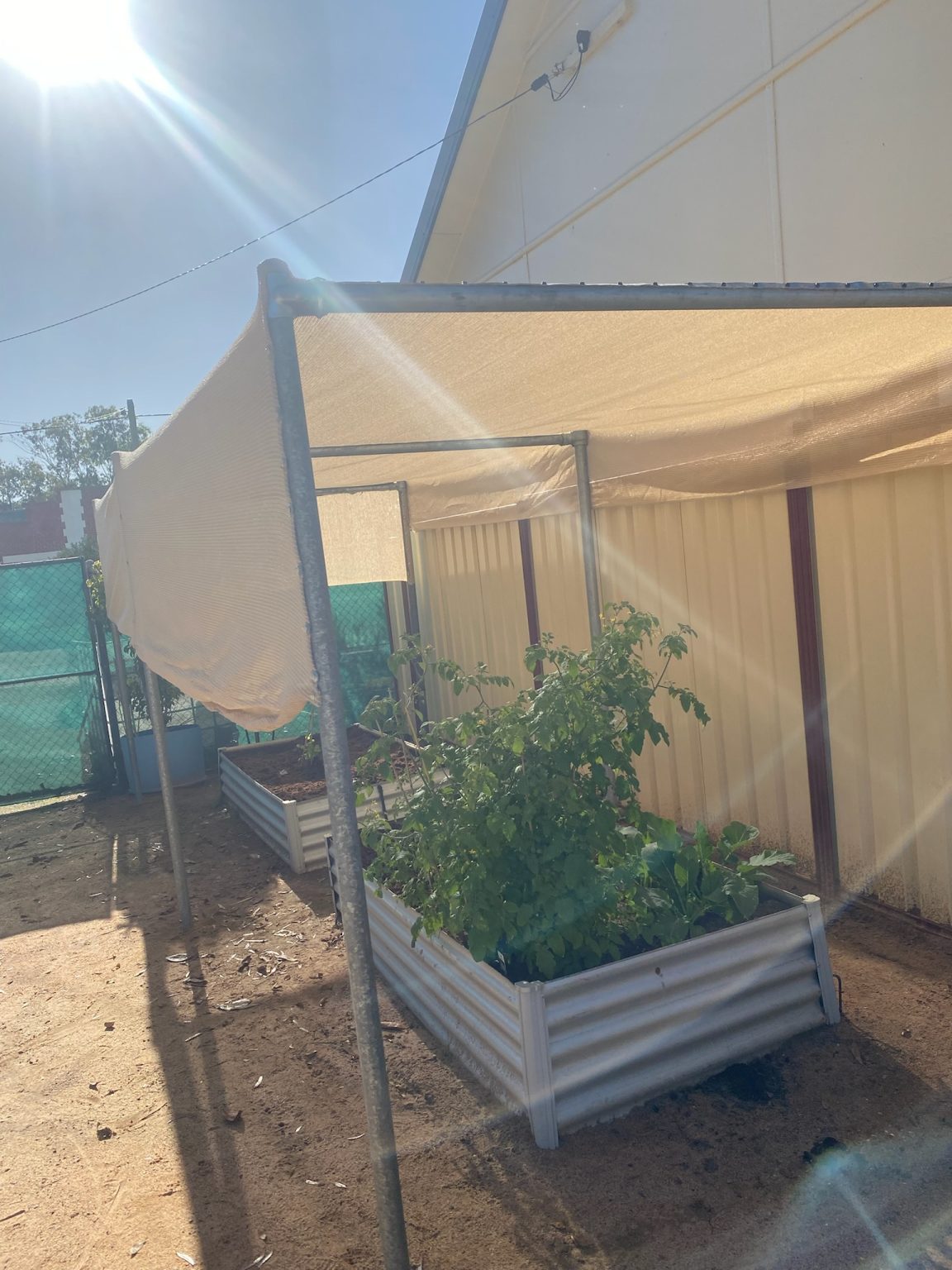
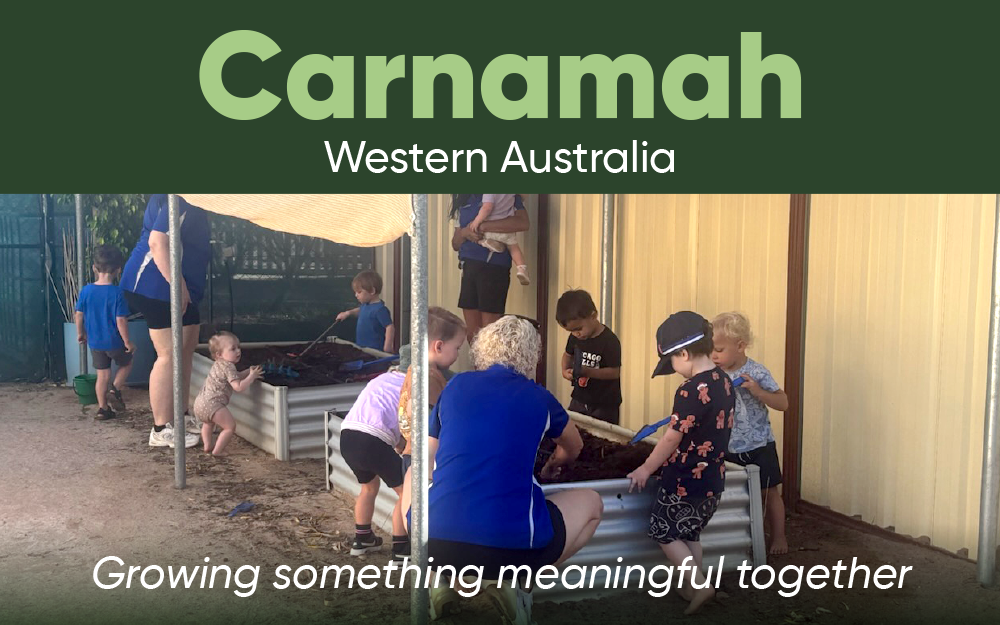
Rural Aid helped Carnamah’s local childcare turn an existing garden into a hands-on learning space for young children. Funding provided a covered structure and shade cloth, making it easier for children to safely spend time growing vegetables and herbs. The project has given children the opportunity to learn where food comes from, develop practical gardening skills and experience the excitement of planting, harvesting and eating food they have grown themselves.
Assets
- Strong intergenerational connections
- Dedicated volunteers and community groups
- Family-friendly rural lifestyle
- Established childcare and education services
- Community facilities and public spaces
- Local knowledge of agriculture and gardening
- Welcoming and inclusive community culture
Challenges
- Declining school enrolments
- Population decline
- Retaining young families
- Volunteer fatigue
- Changing community demographics
- Maintaining community participation
- Providing opportunities for young people
- Strengthening social connection
Goals
- Retain and attract families
- Support young people to thrive locally
- Strengthen community participation
- Foster intergenerational connections
- Enhance community wellbeing
- Build a vibrant, inclusive community
- Support volunteering and active citizenship
- Improve local liveability
More about this project
How did they do it?
With Rural Aid funding, a covered structure was built over the garden and fitted with shade cloth by BK’s Maintenance.
The children then planted vegetables and herbs that would produce results relatively quickly, allowing them to experience the full process of planting, caring for and harvesting their own food.
Why did they do it?
The project was designed to turn gardening into a hands-on learning experience.
The project aimed to create a practical outdoor learning space where children could grow vegetables and herbs, learn about healthy food and develop gardening skills.
The longer-term goal is to help children build an interest in self-sufficiency, sustainability and healthy living from an early age.
What changed as a result?
The children are now actively involved in planting, weeding and harvesting vegetables and herbs.
They have also learned how to wash and prepare the produce before cooking it. Their carers described the children’s joy at eating food they had grown and cooked themselves as a real measure of the project’s success.
The project is also creating skills and experiences that can stay with the children as they grow – from understanding where food comes from to developing an interest in healthy eating, gardening and sustainability.
Their advice for other communities
Give children the opportunity to grow something themselves.
The Carnamah community believes gardening gives children practical life skills, encourages healthy eating and helps them understand where their food comes from.
As they put it, encouraging children to engage with gardening is a gift that keeps on giving.