



Narrogin, Western Australia
The gateway to the Wheatbelt
Population: 3,927 people
Key industry: Agriculture, particularly grain and mixed farming
Narrogin sits within the southern Wheatbelt and has a strong agricultural economy, particularly grain, sheep and mixed farming. Agriculture also helped establish Narrogin as an important regional service centre.
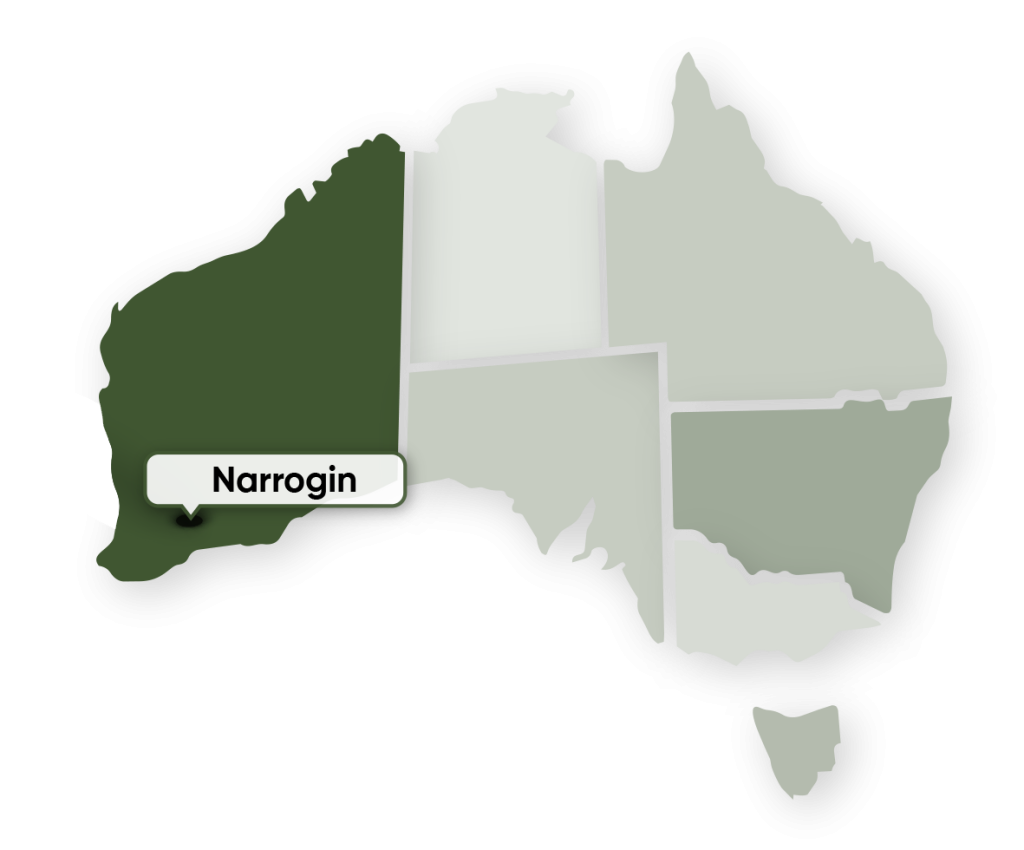
Distance to the nearest capital city: Approximately 192 km south-east of Perth
Quick fact: Narrogin hosted the first Western Australian Grand Prix in 1951, and its passion for motorsport continues today through its speedway, motorbike track and annual Narrogin Revheads event.
Summary
Narrogin identified an opportunity to strengthen its role as a gateway to the Wheatbelt and Dryandra region.
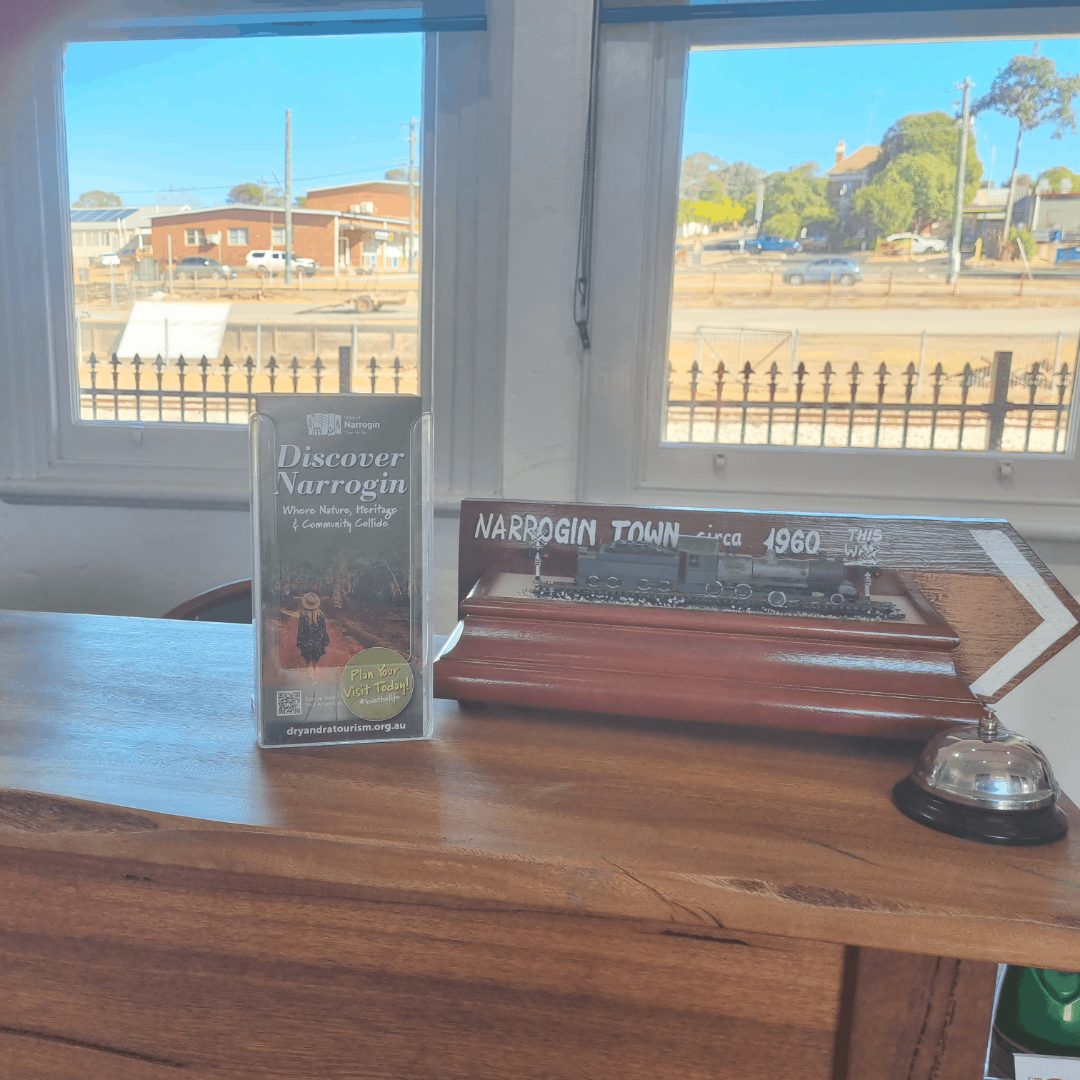
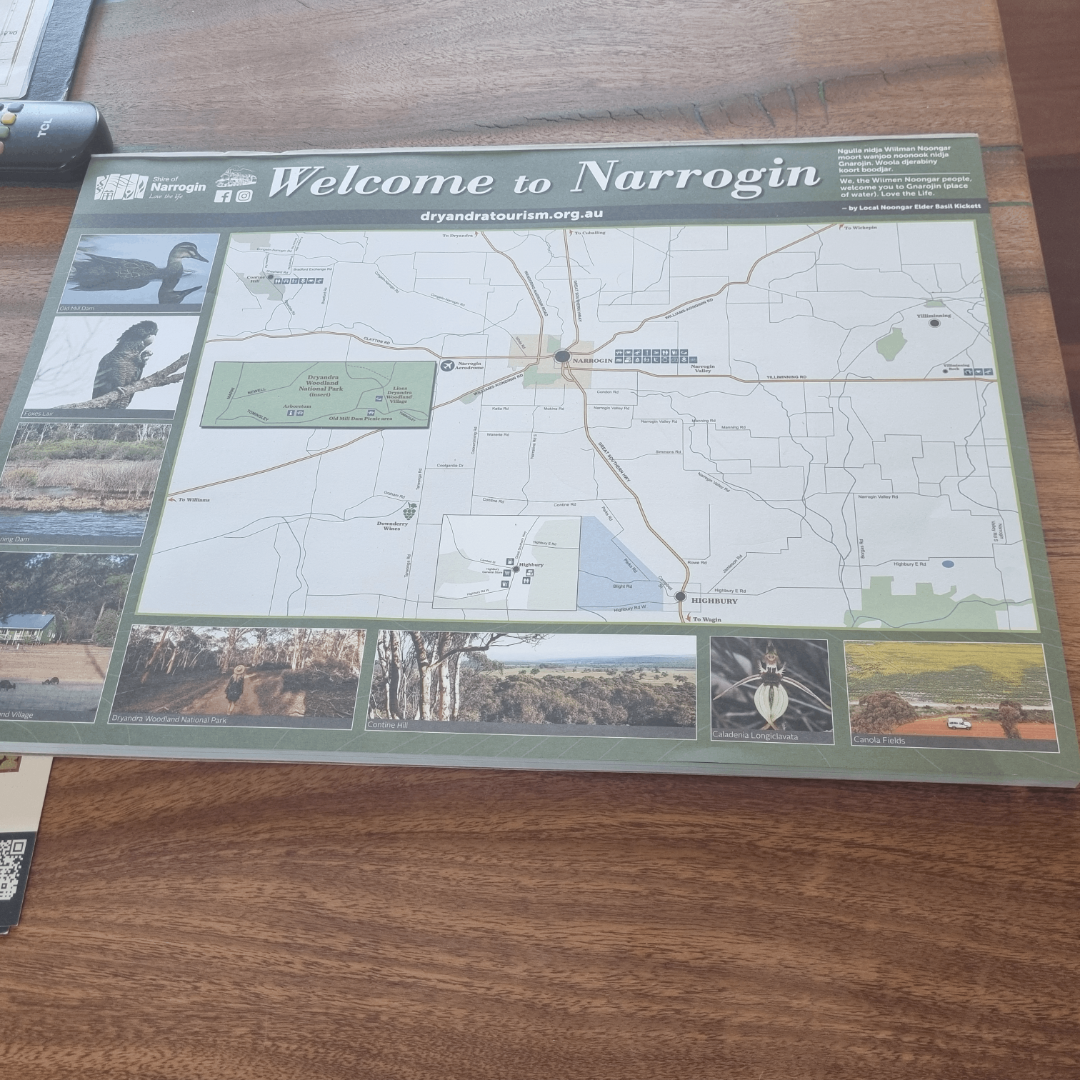
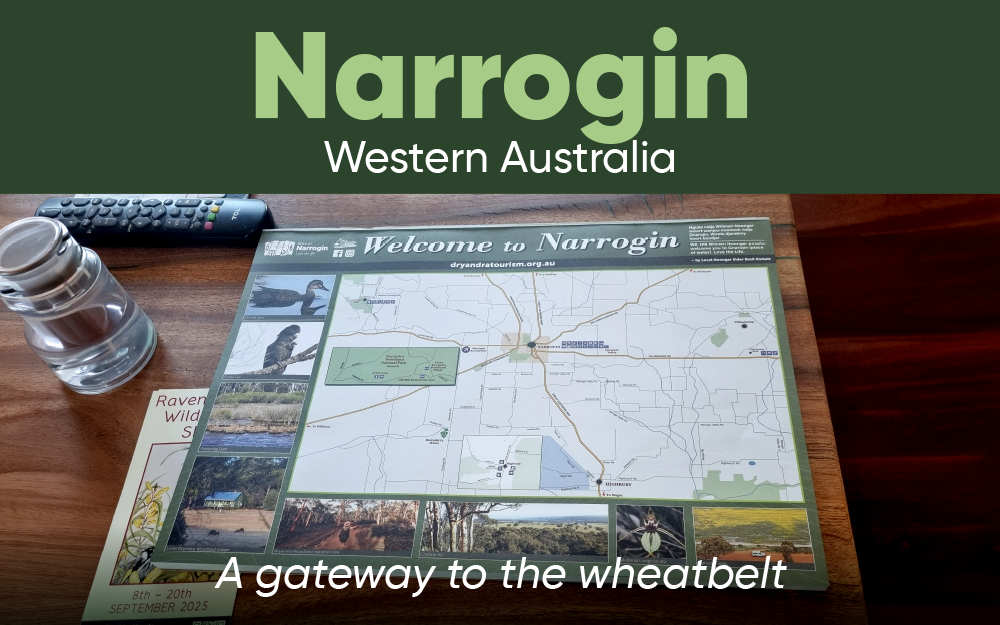
With support from Rural Aid’s Community Development program, a professionally designed visitor brochure and map were developed to bring together local attractions, services, history and accommodation in one accessible resource.
The project is helping visitors discover more of the region and encouraging them to see Narrogin not simply as a stop along the way, but as the starting point for their Wheatbelt experience.
Assets
- Strategic gateway to the Wheatbelt region
- Strong tourism and visitor attractions
- Rich Aboriginal and local heritage
- Diverse arts and cultural sector
- Strong sporting and community networks
- Established business and service centre
- Dryandra Woodland and natural attractions
- Active volunteers and community leaders
Challenges
- Limited visitor awareness of local attractions
- Visitors passing through rather than staying longer
- Under-promotion of local tourism experiences
- Workforce and skills shortages
- Housing shortages for workers and families
- Youth disengagement and outmigration
- Volunteer fatigue
- Social disadvantage affecting some residents
Goals
- Grow tourism and visitor spending
- Showcase Narrogin as a destination
- Support local businesses and entrepreneurship
- Strengthen the local economy
- Build on local creativity and community assets
- Attract and retain families and workers
- Encourage community leadership and volunteering
- Create a vibrant and welcoming town centre
More about this project
How did they do it?
The Visitor Centre, local businesses, community groups and regional stakeholders worked together to develop a professionally designed brochure and map.
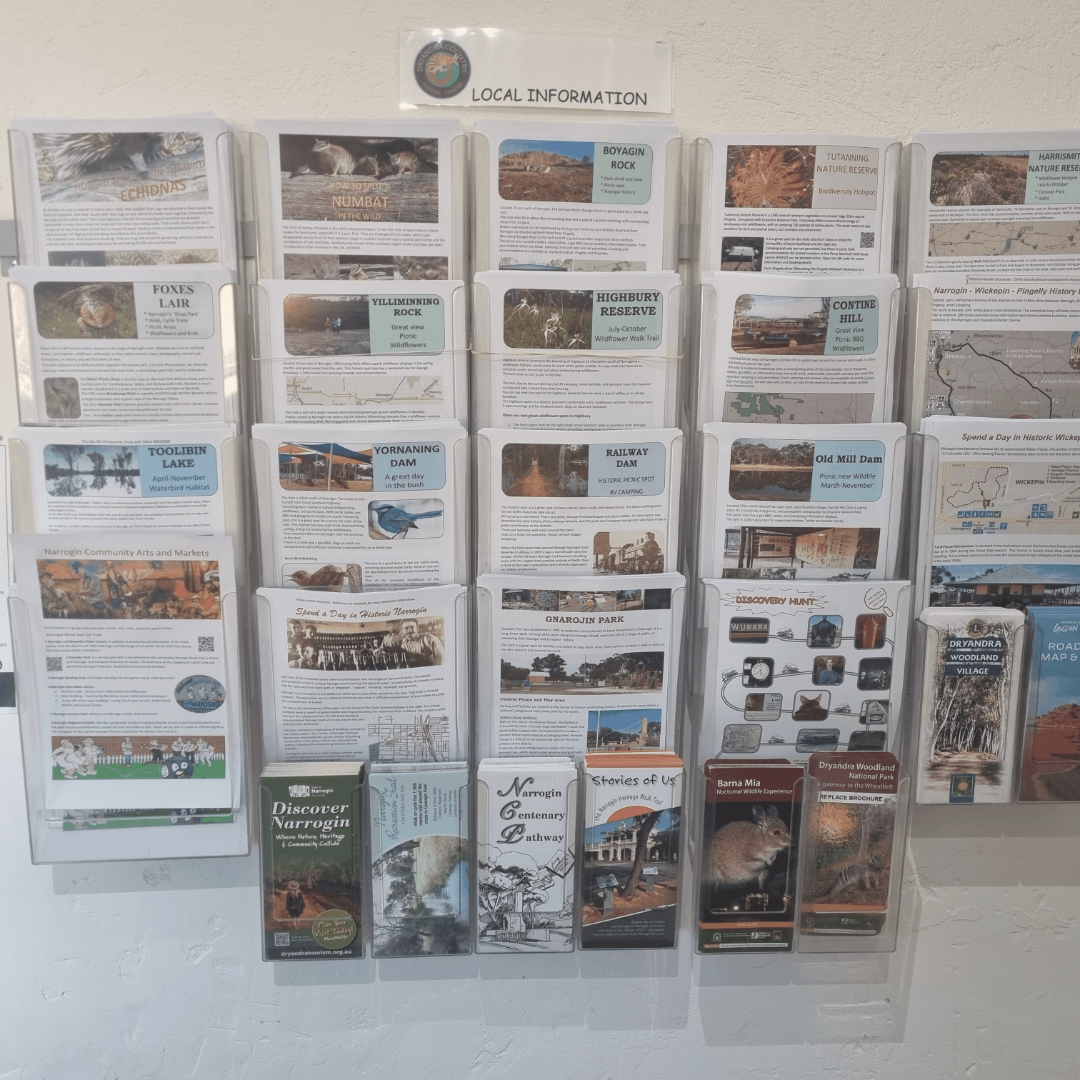
The resource brings information about attractions, services, history and accommodation together in one place, making it easier for visitors to plan their experience.
Why did they do it?
Narrogin wanted visitors to see the town as more than somewhere to pass through.
By making it easier for travellers to discover what is nearby, the community can encourage people to stop, stay, explore and spend more time in the region.
What changed as a result?
Visitors are finding it easier to navigate the region and plan their stay, with local businesses and accommodation providers reporting positive feedback.
The information is helping encourage longer visits and deeper engagement with the town.
Narrogin is now building towards a stronger identity as a place where visitors begin their Wheatbelt experience, creating opportunities for the town and surrounding communities to benefit from increased tourism.
Their advice for other communities
Work closely with local stakeholders and draw on their knowledge.
Strong collaboration ensures a project is practical, relevant and widely supported. It is also important to allow time for consultation and consider how resources will be maintained and updated into the future.