



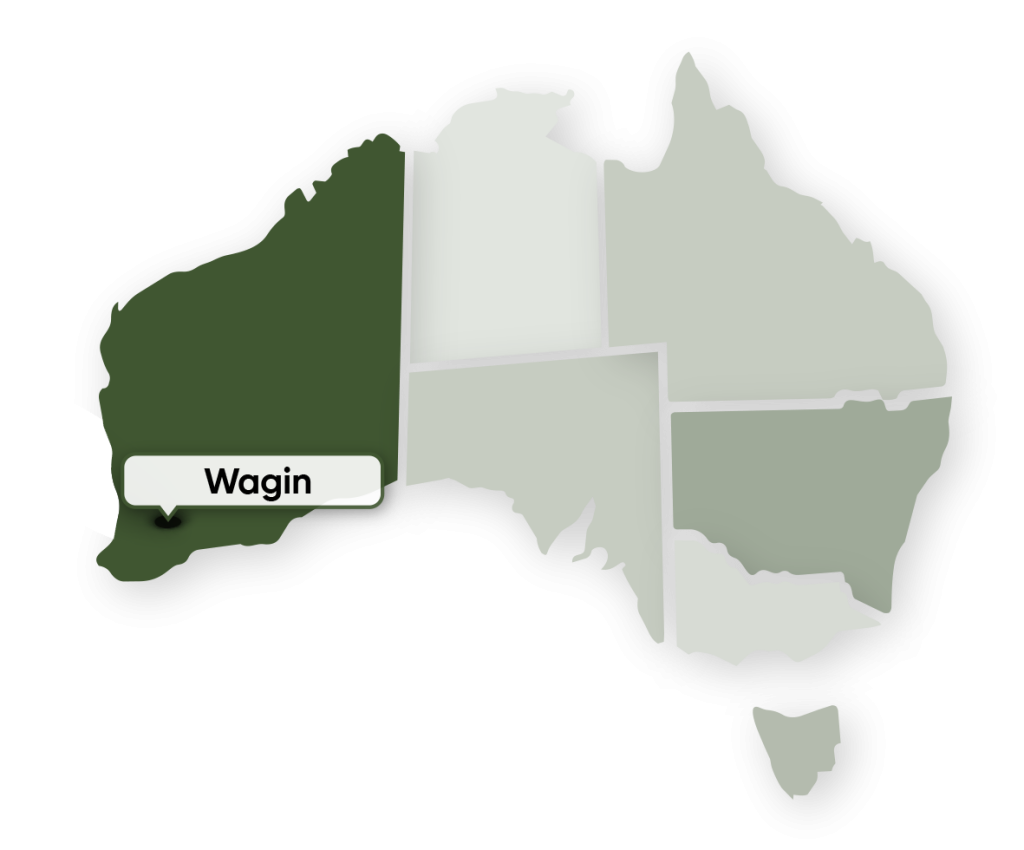
Wagin, Western Australia
People helping people, close to home
Population: 1,448 people
Key industry: Agriculture, particularly grain and sheep farming
Wagin's economy is strongly agricultural, with wheat, barley, oats, canola and lupins among the main crops, alongside sheep and cattle production. The Census also identifies grain-sheep and grain-beef cattle farming as the largest industry of employment.
Distance to the nearest capital city: Approximately 228 km south-east of Perth
Quick fact: Wagin is home to Baart the Giant Ram, a 9-metre-high landmark that was built by the local community in 1985. Its construction and installation were entirely community-funded, costing $34,000 at the time.
Summary
In Wagin, the focus is on people.
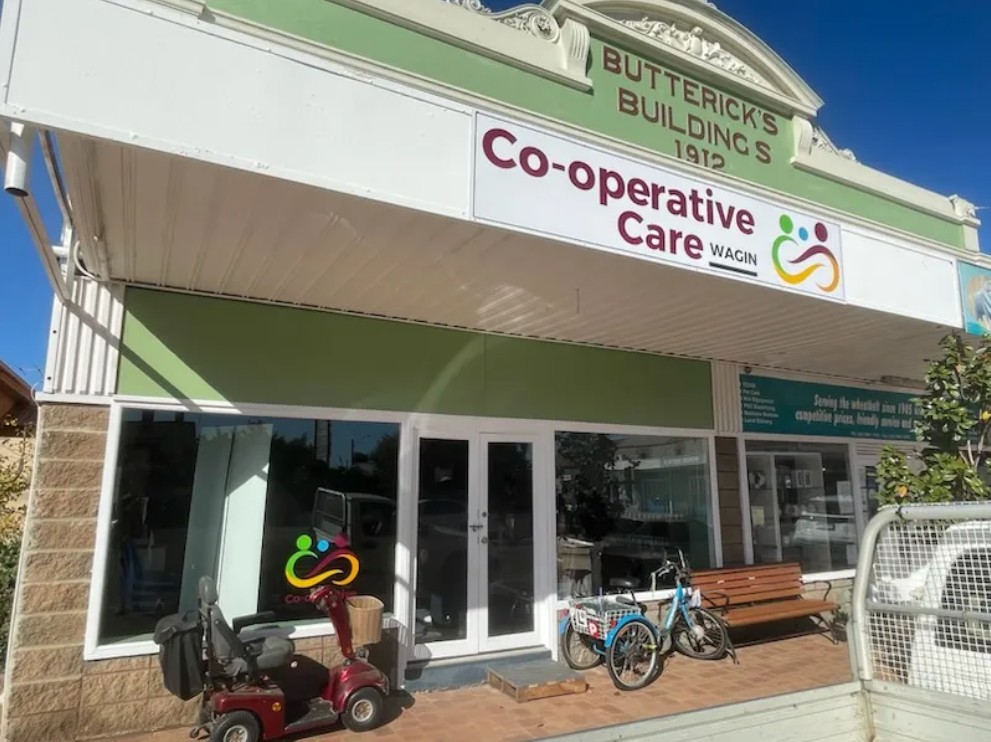
Co-operative Care Wagin was established as a community-led initiative to help residents navigate health and aged care services while remaining connected to their community.
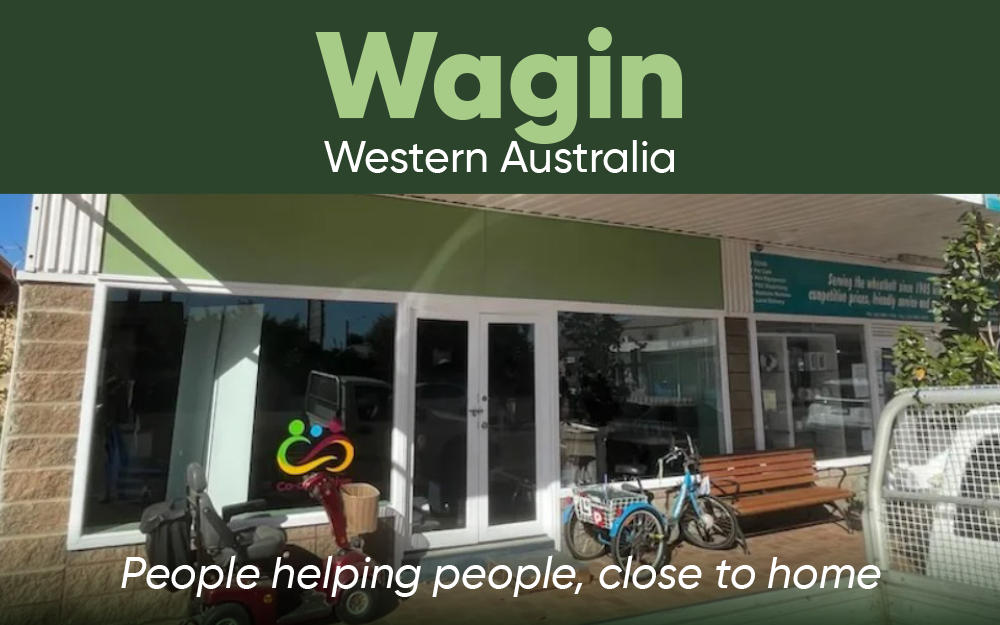
The initiative created a local shopfront and support hub where residents can seek guidance, access services and find social connection, demonstrating how locally led solutions can respond to the needs of a community.
Assets
- Dedicated volunteers and community leaders
- Established health and aged care services
- Strong culture of collaboration and support
- Ageing population with a desire to remain local
- Safe and family-friendly rural lifestyle
- Active community groups and networks
- Diverse local skills and expertise
Challenges
- Ageing and declining population
- Volunteer fatigue
- Limited access to childcare and after-school care
- Attraction and retention of skilled workers
- Limited rental accommodation
- Fragmented aged care and support services
- Lack of coordination between some local services
- Growing demand for local support and wellbeing services
Goals
- Help seniors remain living locally for longer
- Strengthen local community services
- Build a safe and supportive community
- Retain and attract local families
- Strengthen community connection and belonging
- Support active participation across all ages
- Encourage collaboration between local organisations
- Improve community wellbeing and quality of life
More about this project
How did they do it?
Local leaders and volunteers worked together to establish the co-operative, secure support and create a welcoming shopfront.
The model focuses on understanding local needs and creating a practical response within the community itself.
Why did they do it?
The community wanted people to be able to access support without losing their connection to the place they call home.
The initiative recognises that community wellbeing is not only about services, it is also about having somewhere people feel welcome, valued and connected.
What changed as a result?
The co-operative has created a trusted local space where residents can seek advice and support.
It has helped reduce barriers to accessing services and strengthened connection, particularly for older residents.
The result is more than a shopfront. It is a place where people can find guidance, reassurance and a sense of belonging.
Their advice for other communities
Focus on people and local needs.
Build a strong foundation through collaboration, shared values and community involvement. Taking the time to plan and bring the right people together can create a more sustainable and meaningful outcome.