



Gayndah, Queensland
Strengthening connection, history and community spaces
Population: 1,949 people
Key industry: Citrus growing and agriculture - ecognised as the centre of Queensland's largest citrus-growing area.
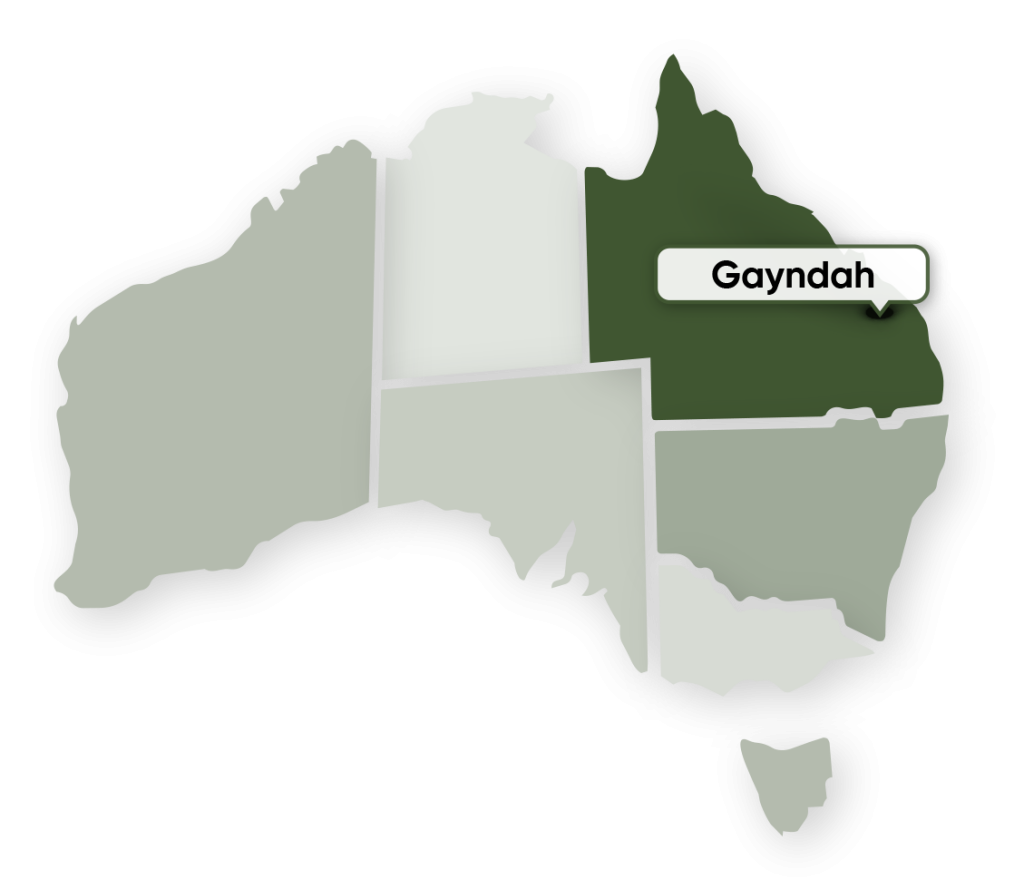
Distance to the nearest capital city: Approximately 366 km north-west of Brisbane
Quick fact: Gayndah is one of Queensland's oldest towns, founded in 1849 and it was once considered as a possible capital of Queensland. Brisbane was ultimately chosen because Gayndah's river was not deep enough for large cargo ships.
Summary
Gayndah’s community came together to improve local infrastructure and strengthen connection following years of difficult seasons.
With support from Rural Aid’s Community Development program, projects focused on river access, community facilities, memorials and restoration works.
Together, these improvements have helped create more welcoming spaces for recreation, events, history and everyday community life.
Assets
- Strong community spirit and local pride
- The Burnett River
- Aboriginal cultural ties and local heritage
- Active community groups and volunteers
- Quality sporting and community facilities
- Safe and welcoming rural lifestyle
- Strong agricultural identity
- Attractive natural landscapes and parks
Challenges
- Recovery from drought and natural disasters
- Population and business decline
- Limited local employment opportunities
- Maintaining community infrastructure
- Main street presentation and appeal
- Preserving local heritage assets
- Supporting community participation
- Attracting visitors to stay longer
Goals
- Strengthen community connection and pride
- Improve community spaces and facilities
- Grow tourism and visitor experiences
- Support a vibrant local economy
- Celebrate local history and culture
- Preserve significant heritage sites
- Enhance liveability for local families
- Create lasting community benefits
More about this project
How did they do it?
Local volunteers, trades and community groups worked together with Rural Aid support to deliver practical infrastructure improvements.
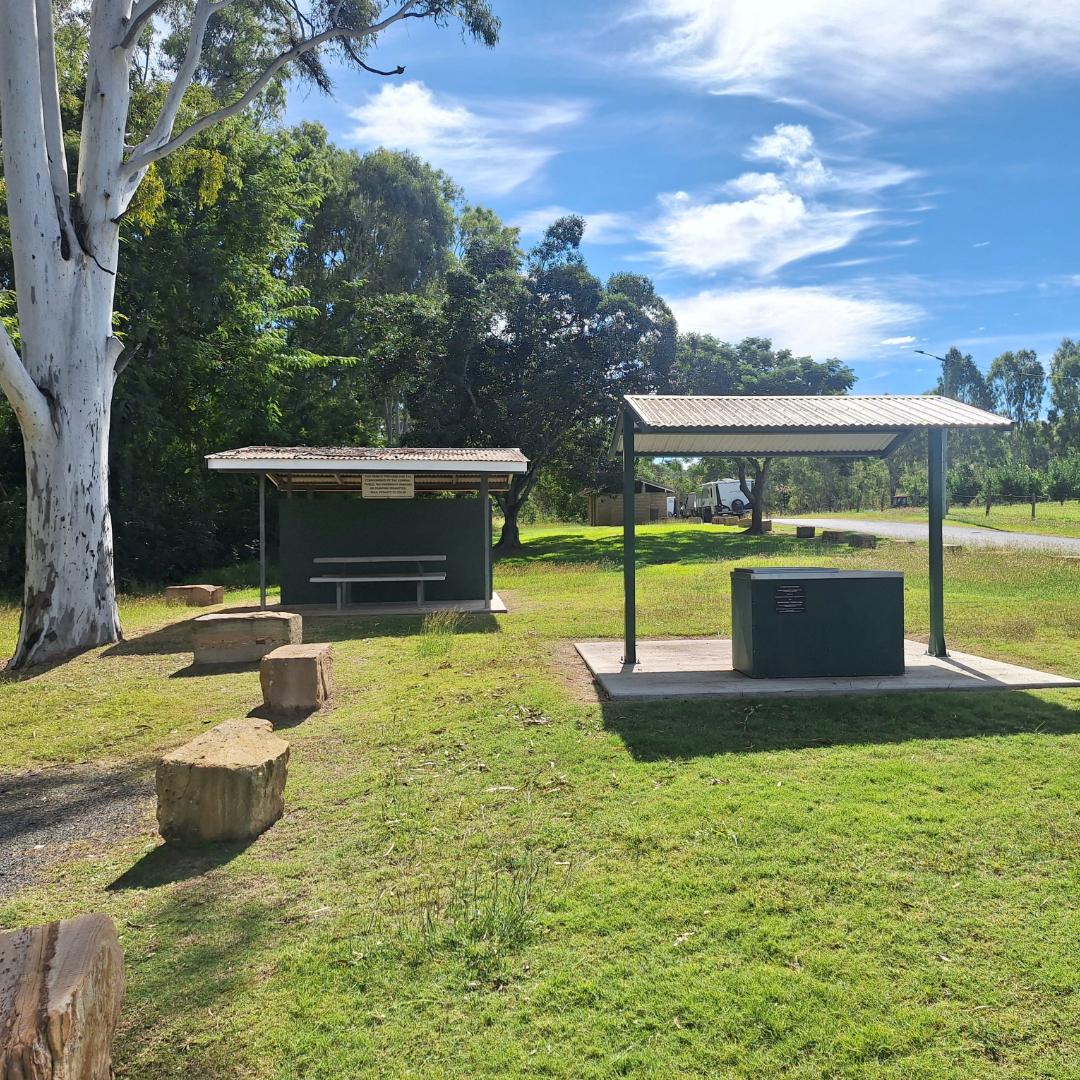
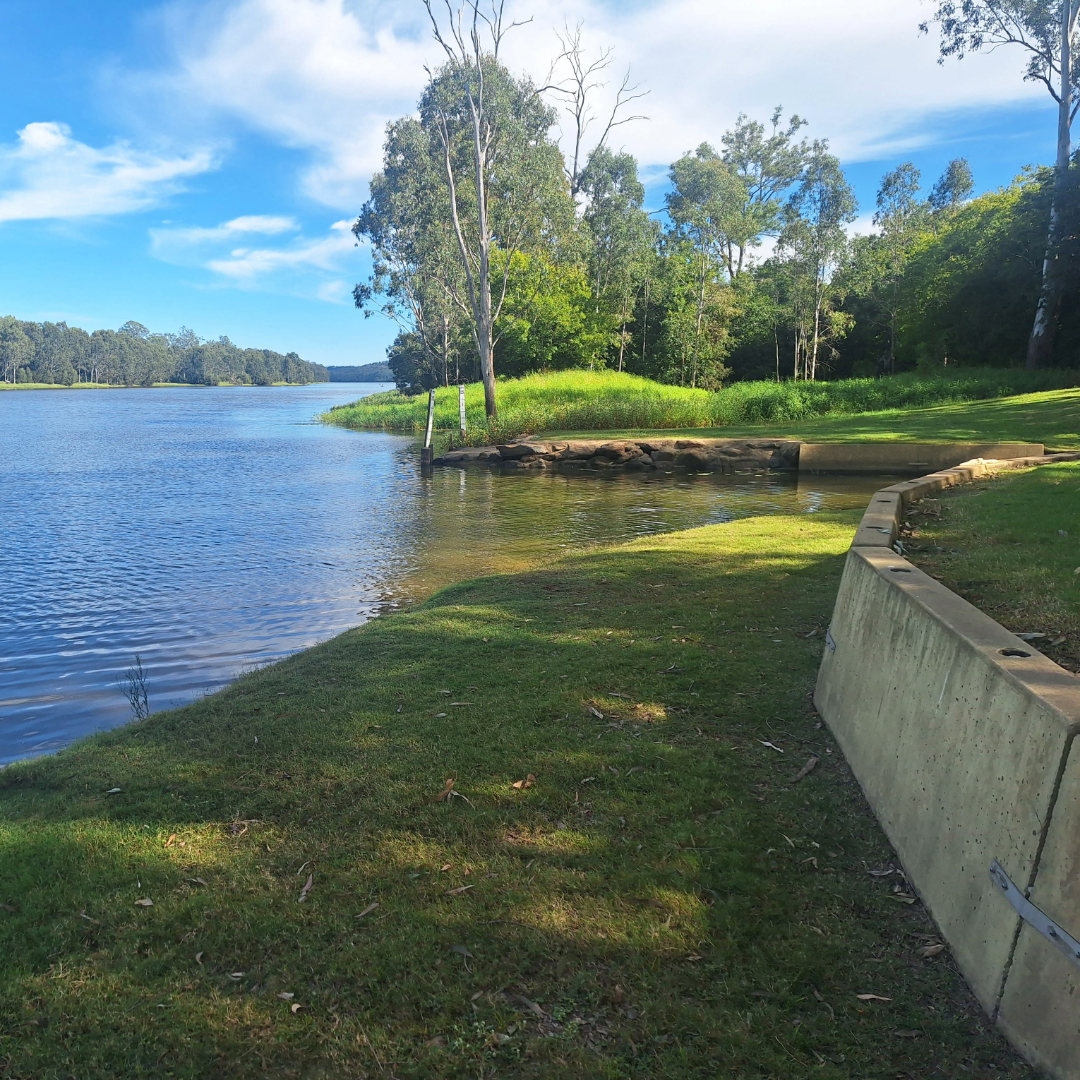
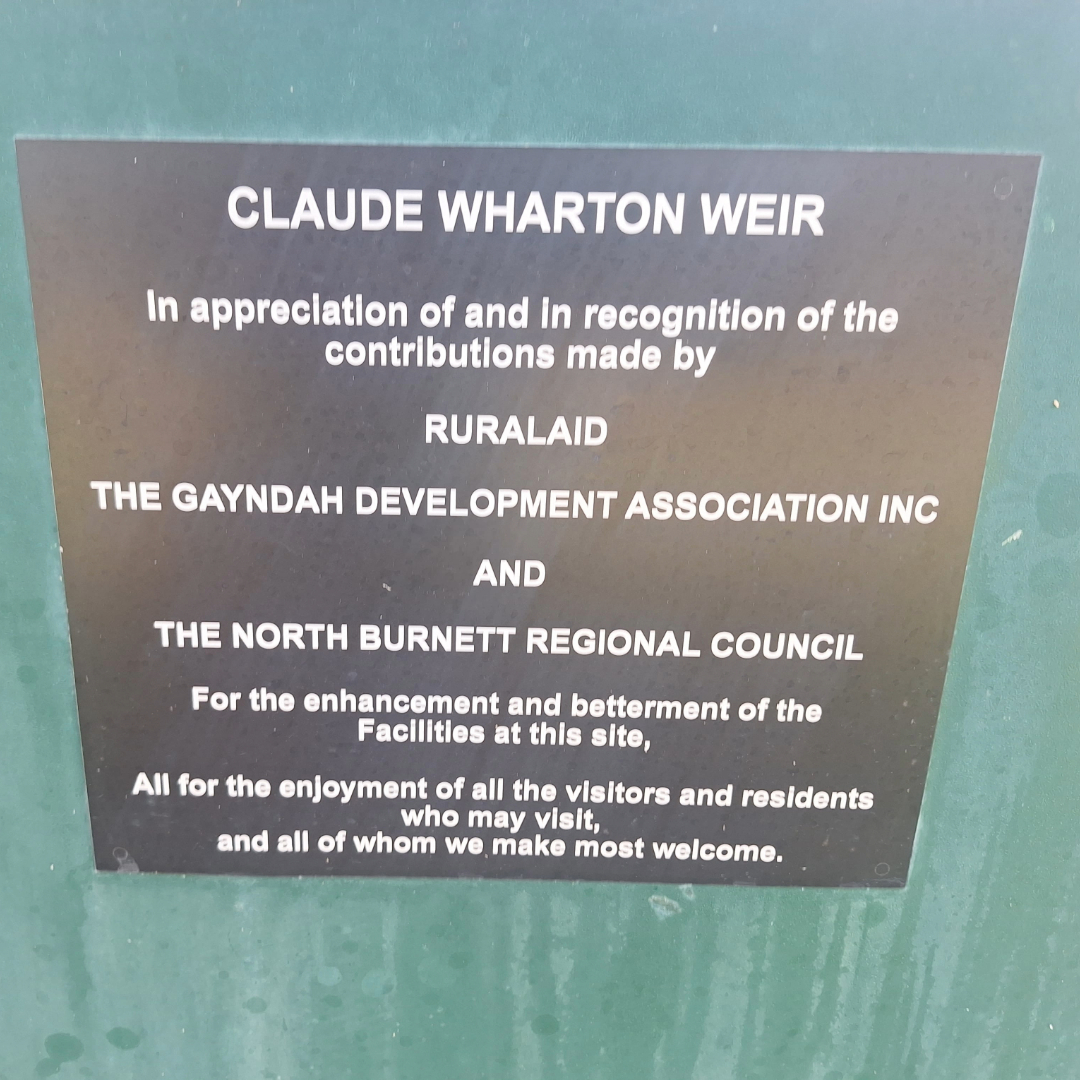
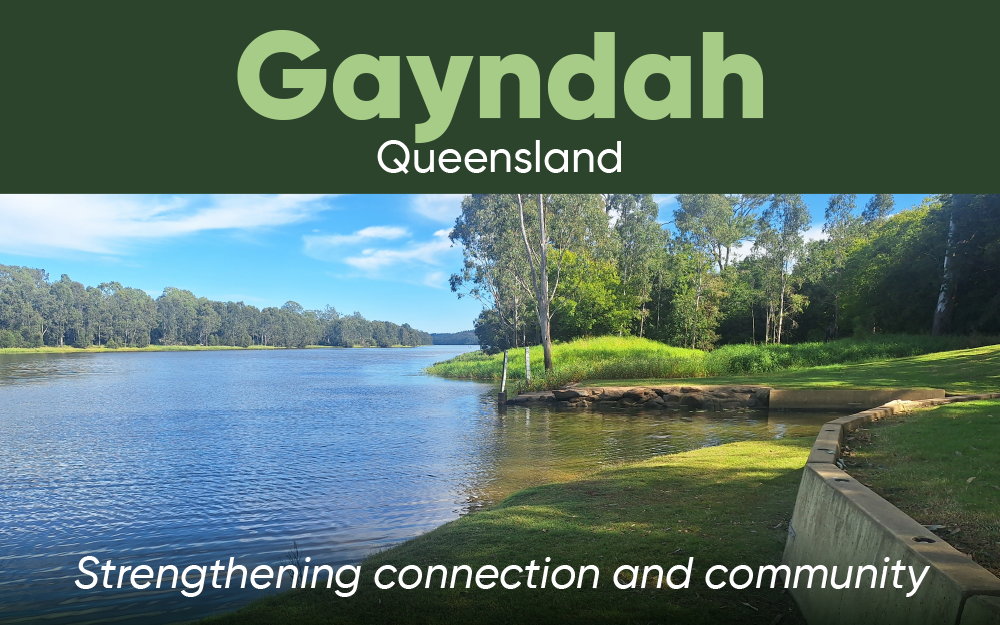
A key focus was the Claude Wharton Recreation Area, alongside upgrades to halls, showgrounds and other shared spaces.
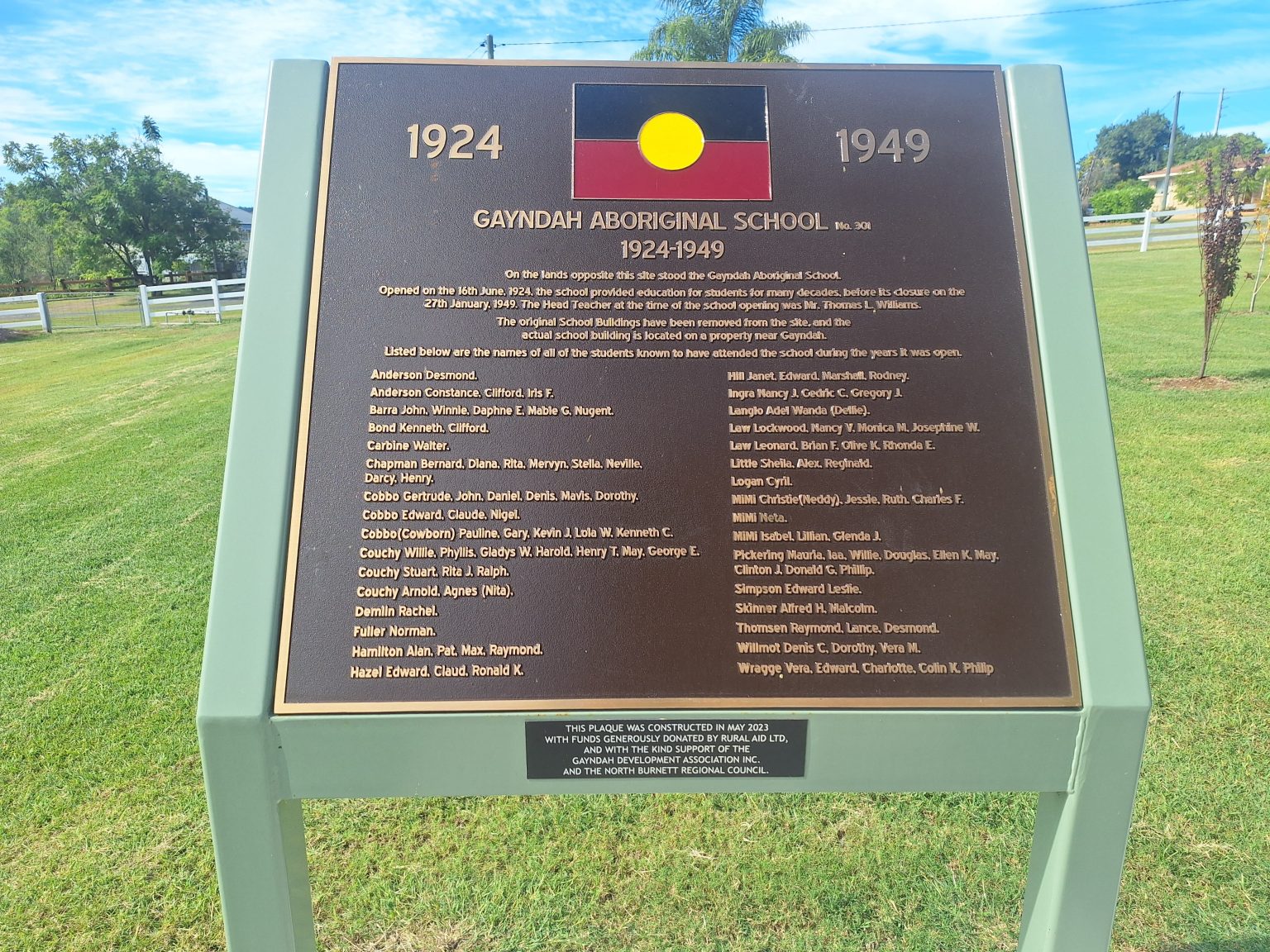
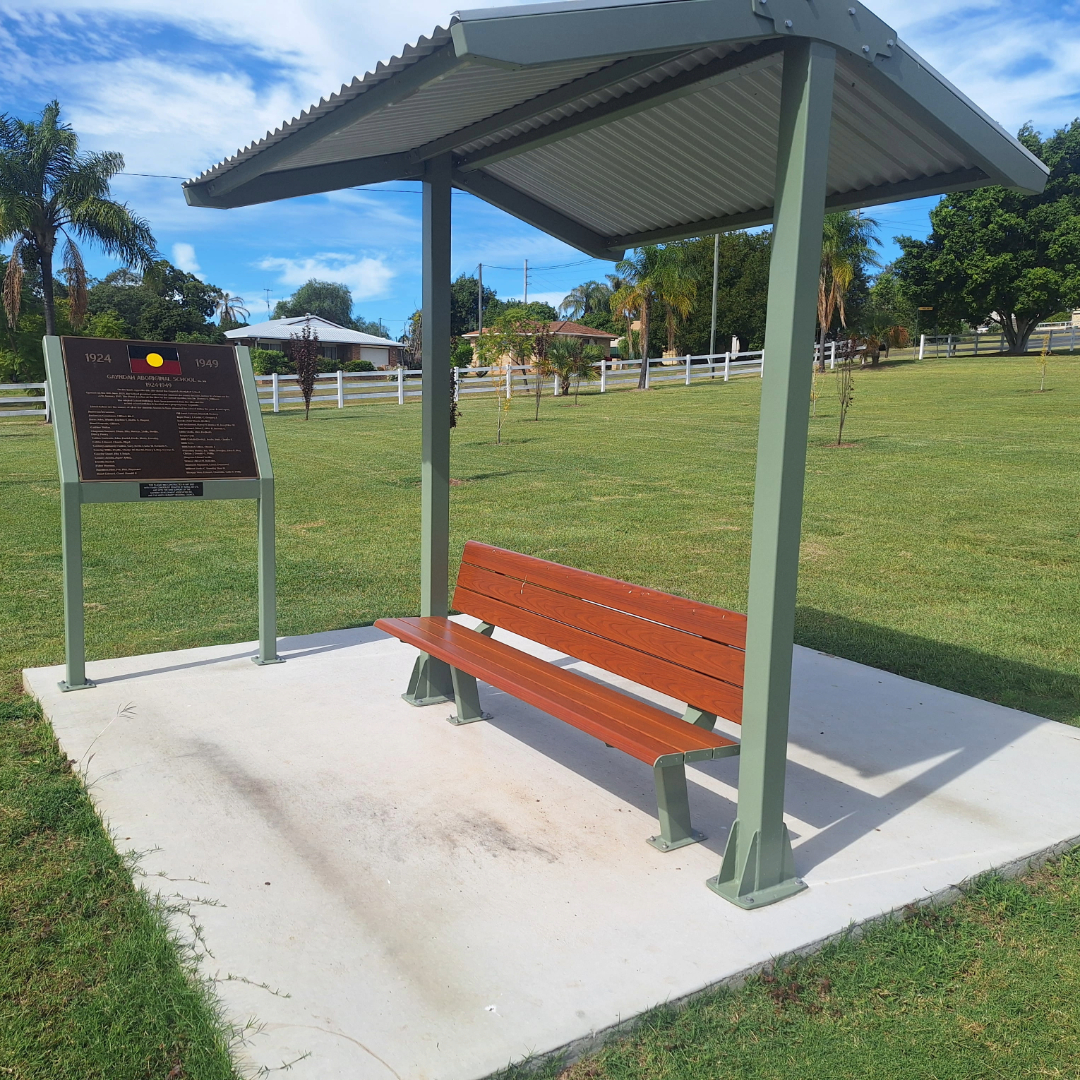
The project also included a memorial recognising the former Gayndah Aboriginal School, ensuring an important part of the town’s history is visible and remembered.
Why did they do it?
The community wanted to improve the places where people gather, participate and spend time together.
It was also an opportunity to ensure Gayndah’s history remained part of its future, while creating spaces that could be enjoyed by both residents and visitors.
What changed as a result?
The improved river precinct has become a well-used space for fishing, boating, recreation, events and community gatherings.
Upgraded facilities have reduced maintenance pressure on community groups and supported greater participation.
The project has also created a stronger connection to local history, while helping transform key community spaces into places that support everyday life and bring people together.
Their advice for other communities
Embrace the opportunity and involve the whole community.
Strong collaboration, a willingness to contribute and shared ownership can turn practical improvements into lasting community benefits.