




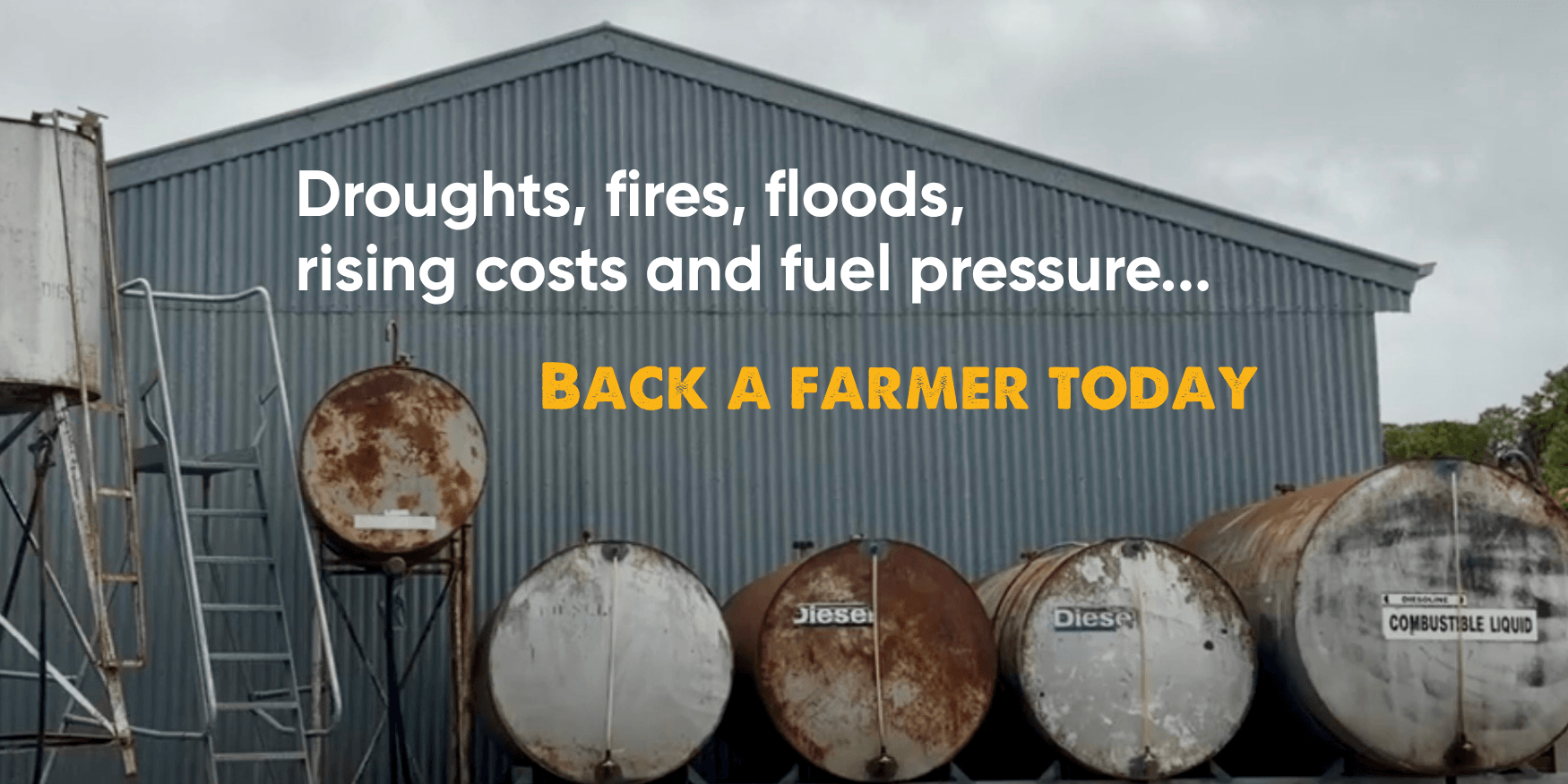
But without fuel, nothing moves.
For many farmers, rising costs aren’t a future concern, they’re stopping work today.
They affect everything.
Fertiliser.
Transport.
“Without fuel, we just don’t move,” one farmer shared. “You don’t get crops in, you don’t get anything done.”
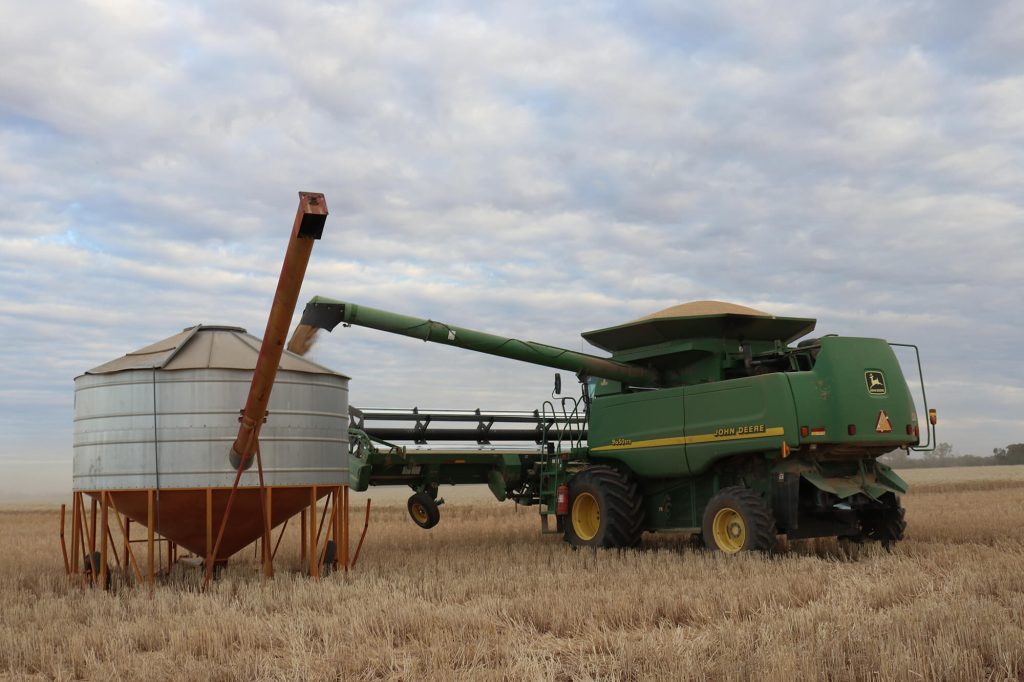 Fuel powers machinery, gets crops in the ground, and keeps farms operating day to day.
Fertiliser supports crop growth and productivity.
Transport connects farms to markets, suppliers, and communities.
When these costs rise, farmers can’t simply switch them off.
They absorb the impact.
It doesn’t stop at the farm gate
What happens on the farm doesn’t stay on the farm.
As costs rise, the pressure flows through to rural communities.
Local businesses feel it.
Supply chains feel it.
Families feel it.
“It’s a snowball effect,” one farmer explained. “It doesn’t just stop with us… it flows on to everything else.”
In many regional areas, farming underpins the entire local economy.
So when farmers are under strain, communities are too.
Seasons shift.
Markets fluctuate.
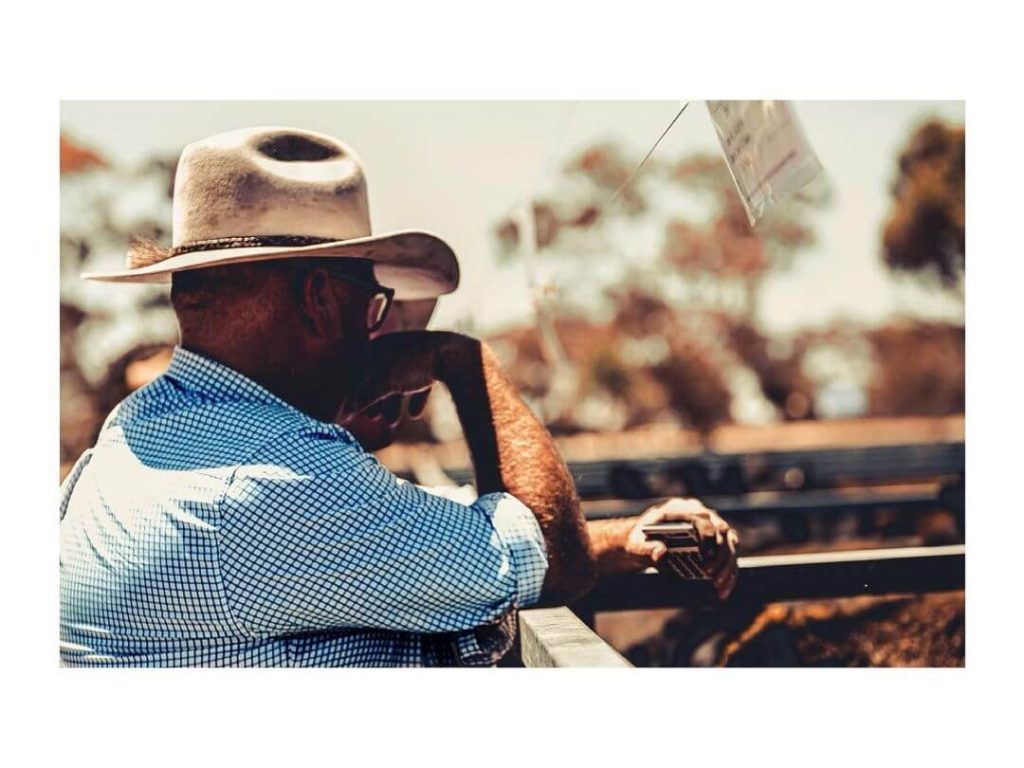
Crops are still planted.
Work continues, day after day.
Planning for the next season while managing the current one.
Making decisions that affect not just today, but the future of their farm.
It helps farmers make clearer decisions.
It helps families feel less alone in what they’re facing.