




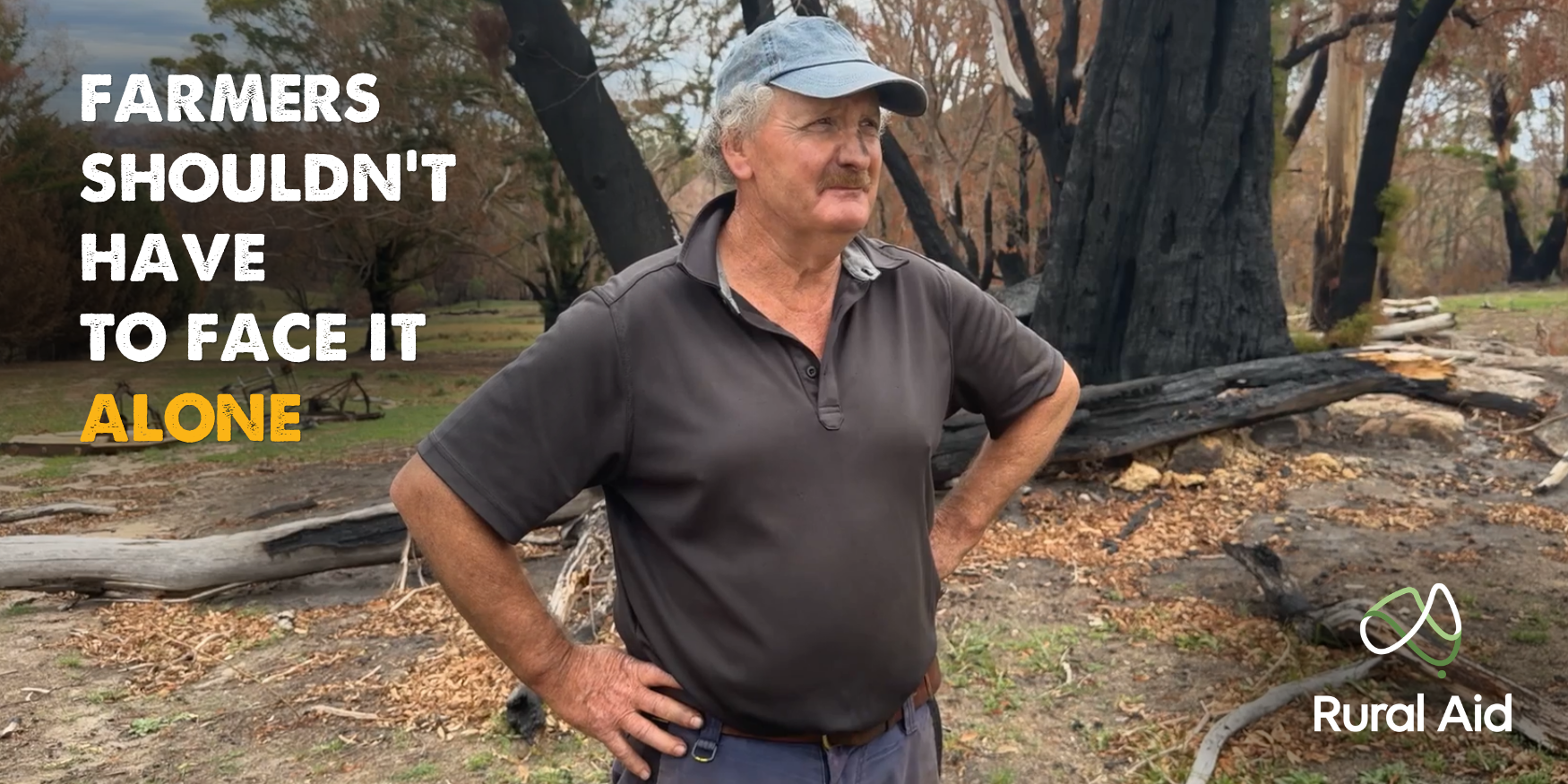
For Dubbo farmer Barry Wheeler, the current season isn’t defined by one challenge. It’s defined by all of them happening at once.
On his mixed cattle and cropping property in central west New South Wales, the pressure is constant and coming from multiple directions.
“It’s pressure from every direction at the moment,” Mr Wheeler said. “Diesel and fertiliser are still very expensive, and there’s just no let-up in the cost of running a farm.”
Like many farmers, Barry is managing rising input costs at the same time as difficult seasonal conditions.
“Soil moisture is very poor, which makes dry seeding a real risk,” he said. “You’re basically gambling on rain that isn’t showing up, and that’s a hard call to make when you’ve already got so much on the line.”
For cropping operations, decisions that would normally be based on seasonal patterns are now being made with far less certainty, and with greater financial exposure.
Livestock production is facing similar pressure.
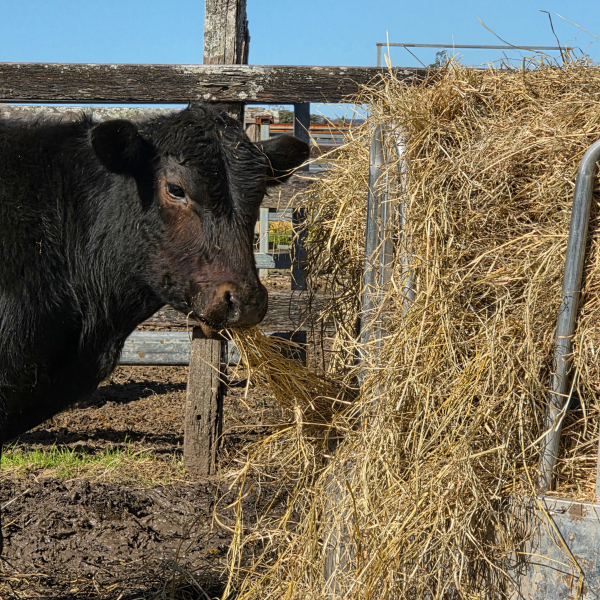
“Running stock is getting harder every week,” Mr Wheeler said. “There’s not enough feed in the paddocks, hay is expensive, and then you’ve got transport costs on top of that just to bring feed in.”
At the same time, financial pressures are tightening.
“Interest rates going up just adds another layer,” he said. “Every part of the business is under pressure – inputs, feed, finance, everything.”
For Barry, the challenge is not any one of these factors on its own.
“One of these things on its own, you can usually manage,” he said. “But when it’s all happening at once like this – drought, costs, interest rates – it makes farming feel almost impossible.”
His experience reflects what Rural Aid is seeing across farming communities nationwide.
A national picture of overlapping pressure
Across Australia, farming conditions are increasingly shaped by multiple pressures occurring at the same time.
In parts of New South Wales, drought conditions are intensifying, affecting pasture growth, water availability and cropping decisions. In Victoria, recent bushfires have caused damage to farms and infrastructure, with recovery still ongoing in some regions.
Queensland has experienced flooding across multiple catchments, disrupting production and access, while in Western Australia, cyclonic activity has impacted northern and coastal farming areas.
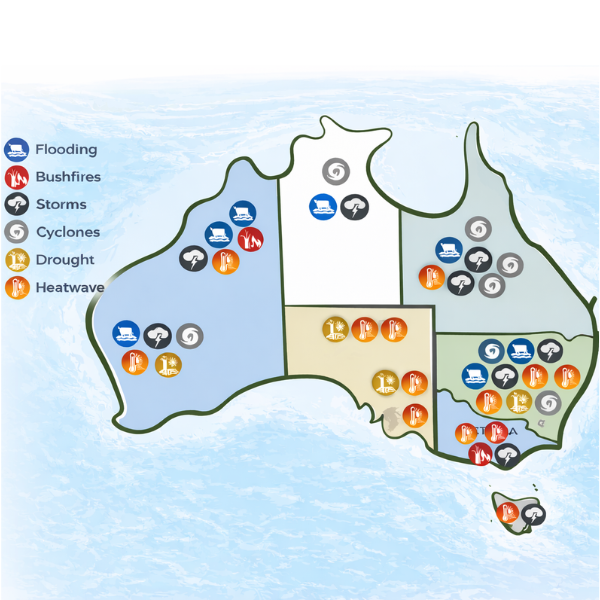
These are just some of the events currently affecting the sector. Many farming communities are continuing to recover from previous disasters while also facing new risks.
Recovery from one event is often happening alongside preparation for the next. That reduces the time and capacity farmers have to stabilise between challenges.
The cost of keeping a farm running
Alongside climate impacts, the cost of running a farm remains a significant pressure point.
Diesel and fertiliser continue to sit at the centre of this. They are essential to basic farming operations, including planting, harvesting, machinery use and transport.
Sustained increases in these costs, combined with periods of supply constraint, are reducing the flexibility farmers have to respond to seasonal conditions.
For many, this means making decisions with higher financial risk and less room for error.
As Barry describes, these costs are not abstract. They are part of every decision made on farm, every day.
Supporting farmers through ongoing pressure
In this environment, support needs to reflect the reality farmers are facing.
Rural Aid works alongside farmers, their families and rural communities to provide practical, financial and wellbeing support during periods of hardship.
This includes support during disaster recovery, as well as assistance through extended periods of ongoing pressure where challenges continue to overlap.
The focus is on ensuring farmers have access to support when it is needed, not only at the point of crisis, but throughout the longer and often more complex recovery process that follows.
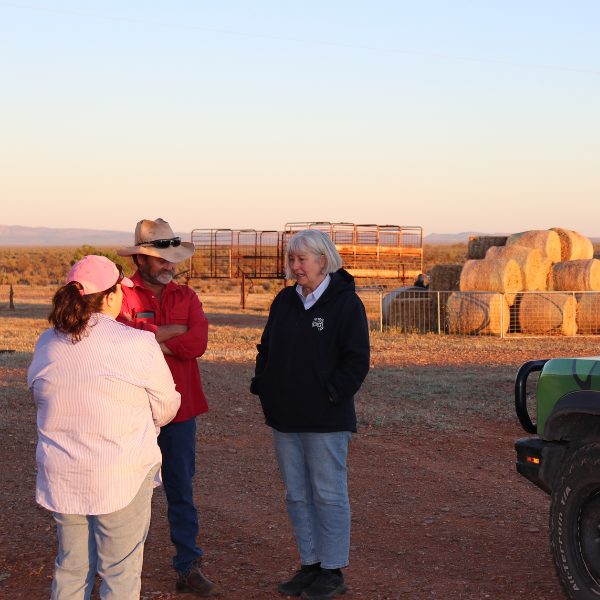
For farmers like Barry Wheeler, the current conditions are not defined by one event or one season.
They are defined by everything happening at once.
And increasingly, that is what farming life looks like across Australia.