




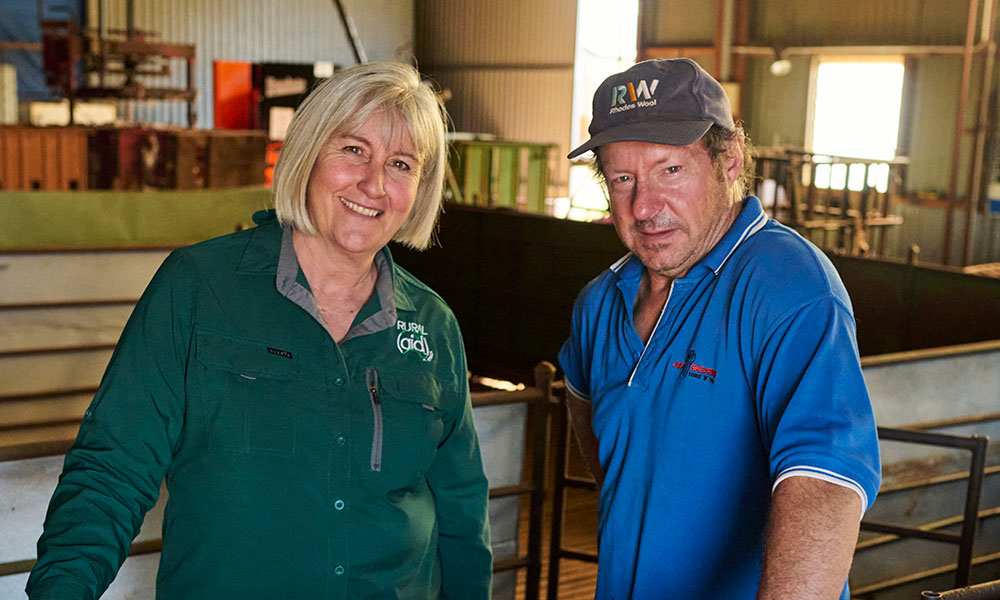
East of Eudunda in South Australia’s Mid North, Kevin and Darlene Jenke have endured an increasingly difficult couple of years.
On the property where Kevin’s grandfather settled nearly a century ago, the couple run a self-replacing Merino flock, or at least, they used to. With drought tightening its grip, they’ve been forced to cut sheep numbers from 1,200 down to just 300 core breeders.
“The aim is to maintain them. We don’t want to have to put the for sale sign up,” Darlene said.
For a district that usually expects around 275 millimetres of annual rainfall, last year’s 150mm was devastating. Their wheat harvest came in well below average, and as the middle of 2025 approaches, they’re still sitting under 50mm. Feed is scarce, time is tight, and the margins, even more so.
On top of long hours feeding and checking stock, both Kevin and Darlene take on off-farm work to keep their operation afloat. Darlene works full time at the local pathology clinic, while Kevin travels for contract shearing jobs whenever he can. It’s a rhythm the couple know well, they are no strangers to drought. In 2018, they were forced to sell every breeding animal they owned. The emotional and financial toll of that decision still weighs heavily.
“We’re at the stage in our lives if we had to make the decision to sell breeding stock again, that would be it,” Darlene said.
As pressure continues to mount, Kevin contemplates whether the remaining sheep can hold on long enough for any feed to come through.
But this time, the Jenkes aren’t facing it alone. Rural Aid volunteers recently spent several days on the property, attending to jobs that had fallen by the wayside in the daily struggle just to stay afloat.
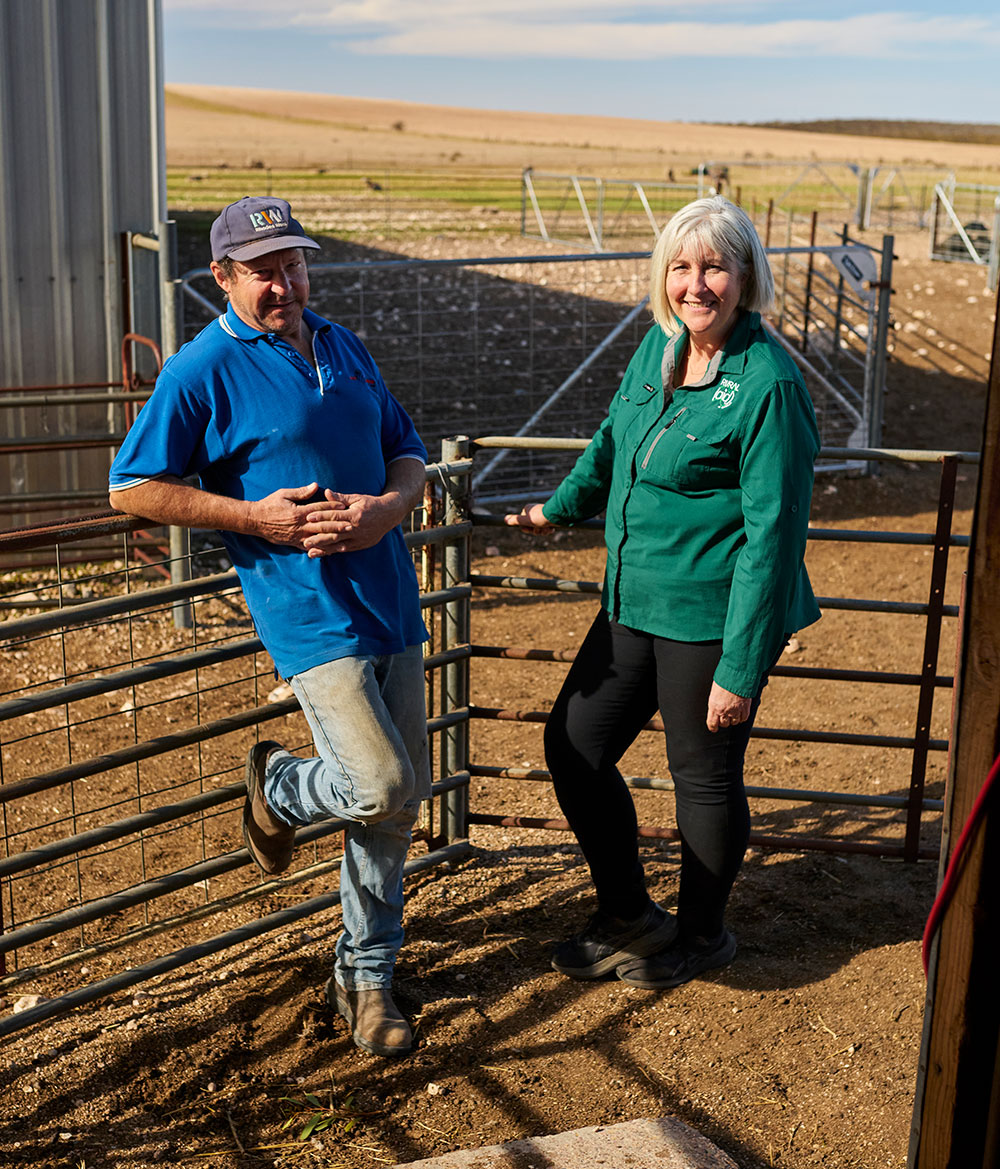
Using materials already on site, volunteers built new sheep yards, repaired and oiled outdoor furniture, and tackled a long list of tasks that had slipped down the priority list in favour of feeding sheep and earning off-farm income.
“They are things that we’d liked to have got done, but we’ve had to prioritise. When considering what we can spend on, the sheep are the priority,” Darlene said.
Rural Aid’s volunteer coordinator, Dave Thiele, says each of Rural Aid’s volunteer camps offers more than just physical labour. The camps inject funds into local towns, including the hiring of community facilities and the purchasing of supplies from local businesses.
“We try to put as much back into the communities as we can because when farmers are tight on cashflow, they’re not spending money on those niceties,” Mr Thiele said.
For Kevin and Darlene, the visit brought more than practical improvements, it brought a feeling they haven’t had in some time: hope.
“It’s nice to know there’s people out there that care and are willing to help,” Kevin said.
Your support throughout 2025 has helped Rural Aid provide assistance to countless rural Australians just like the Jenkes. Thank you for standing with our farmers when they need it most.